Skip to main content Skip to footer

Back Pain

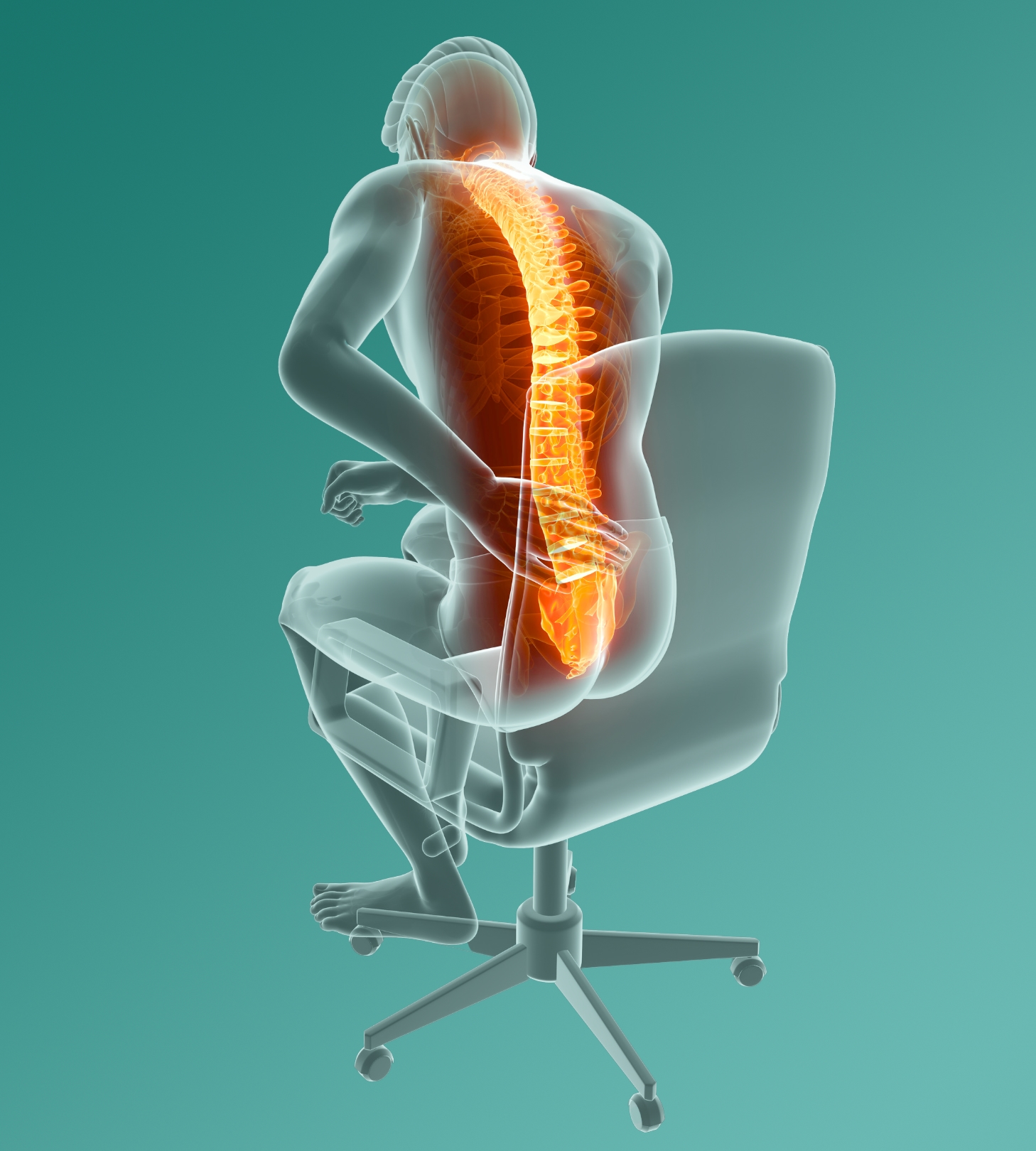
Back pain is one of the most common complaints worldwide, affecting millions every year. What many don’t realize is that dental health can play a surprising role in back problems through the body’s meridian connections.

How it feels:

  • Lower back: Achy or sharp pain in the small of the back; may shoot into the buttock/leg (sciatica).

  • Mid-back: Band-like ache between shoulder blades; often worse with sitting.

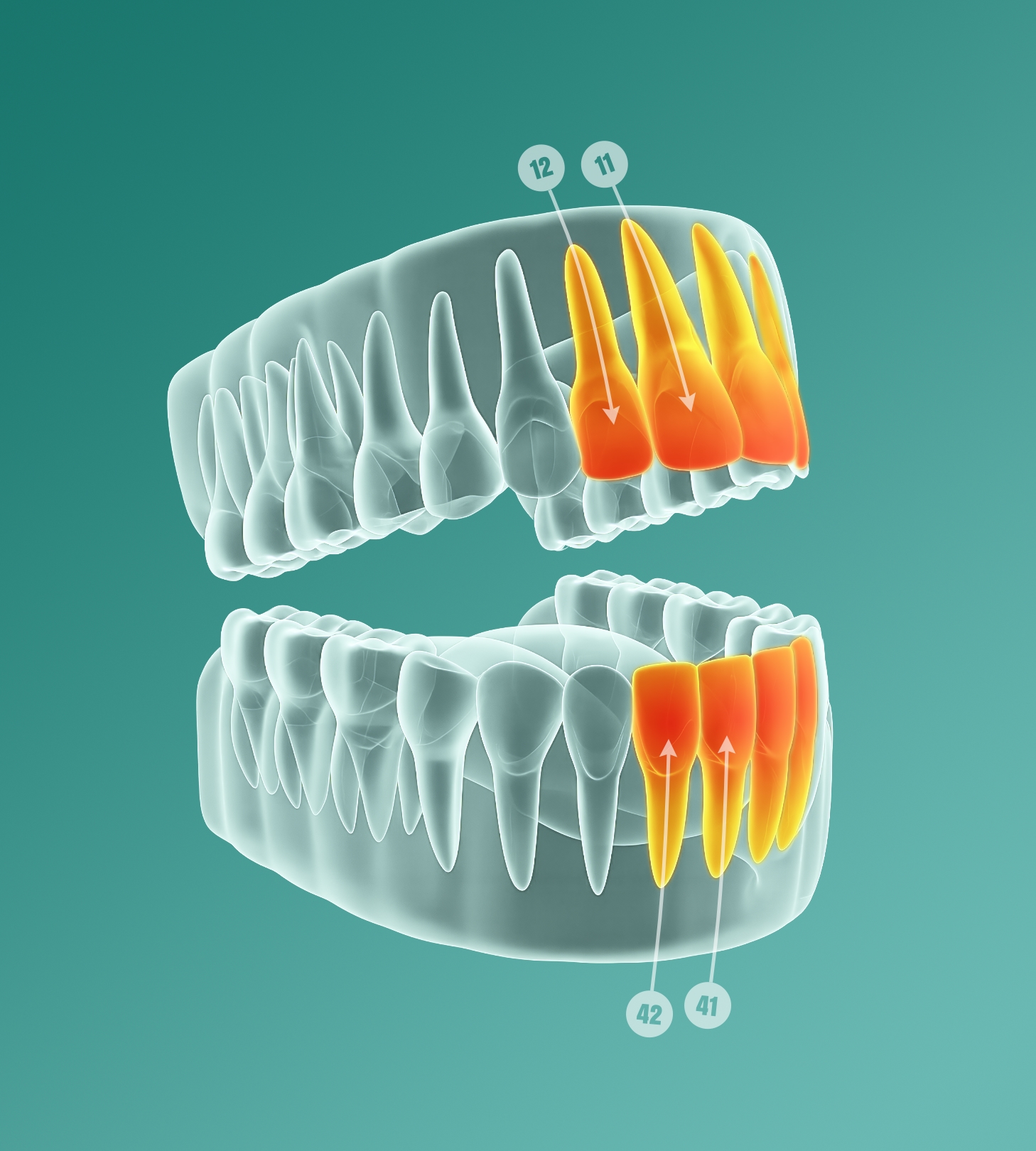
Meridian tooth charts map individual teeth to acupuncture pathways that also run through the spine, muscles and joints, so disturbances in specific teeth are thought to resonate with back, hip or knee regions.>(Source: European Journal of Integrative Medicine)

Swiss Biohealth describes this meridian system as a TCM-derived concept that connects teeth with organ functions and musculoskeletal segments, and uses it to orient holistic diagnosis while relying on imaging and clinical findings for concrete decisions. (Dental Meridian System)

Dental meridian charts and the idea that each tooth “relates” to spinal levels or joints come from acupuncture and energetic medicine rather than controlled biomechanical or neurological studies.

Bio dentists who use meridians emphasise that they are not diagnostic tools on their own; standard orthopaedic, neurological and radiological work-up remains essential for any back-pain evaluation.

A 2023 study in older adults found that more severe periodontitis was associated with higher rates of lumbar intervertebral disc degeneration and endplate changes, suggesting a possible “mouth–gut–disc axis” via systemic inflammation and microbiome effects. (Source: pmc.ncbi.nlm.nih.gov)

Reviews on periodontal disease as a systemic condition similarly describe low-grade systemic inflammation and cytokine release from diseased gums as potential contributors to musculoskeletal pain and reduced pain tolerance. (Source: wiley.com)

Meridian charts frequently connect molars and premolars with the large-intestine and stomach meridians and note relationships to trunk musculature, hips, sacrum–coccyx and knees, all of which can be involved in back pain patterns.

Swiss Biohealth also mentions that kidney–bladder and lung–colon meridians, which pass through anterior and posterior teeth, are mapped to cervical and lumbar spine regions, suggesting that disharmonies in these teeth may be relevant when spine complaints are otherwise unexplained.

Some evidence suggests that periodontitis is linked to lower experimental pain thresholds and systemic inflammation, so treating gum disease may indirectly support pain management, including musculoskeletal pain. (Source: wiley.com)

Bio-dental clinics report that resolving chronic jaw infections, cavitations in former wisdom-tooth sites and occlusal overload sometimes coincides with improvements in neck or back symptoms, although such observations are largely based on case experience and need standard back-care in parallel.

Swiss Biohealth and similar centres emphasise interdisciplinary collaboration, combining CMD (jaw joint) assessment, dental imaging and meridian mapping with orthopaedic, neurology or physiotherapy input for complex back-pain cases. (Swiss Biohealth CMD)

In this model, dentists address clear oral foci—periodontitis, root-treated teeth, cavitations, malocclusion—while spine and pain specialists manage structural and functional back issues, and progress is monitored jointly.

The Swiss Biohealth Concept promotes metal-free zirconia implants and ceramic restorations as highly biocompatible and electrically neutral, aiming to avoid galvanic currents and corrosion that could, in theory, influence meridians linked to the spine and joints.

This choice is combined with strategies to minimise chronic inflammation and support systemic balance, which many patients with chronic pain—including back pain—seek as part of a broader integrative approach.

  • Typical causes: Muscle/ligament strain, slipped/bulging disc, wear-and-tear, prolonged sitting/poor posture, heavy lifting, weak core, rib/facet irritation, weak mid-back muscles.
  • How common:

    • Lower back: ≈30–40% in a year (median ≈37%).

    • Mid-back: ~15–20% (range 3.5–34.8% across studies).

The Teeth Connection

Certain teeth are linked to the lumbar and thoracic spine through the body’s meridian system. Infections, imbalances, or stress in these teeth can sometimes contribute to back pain. Caring for your dental health may support not just your smile — but also your spine.

Thanks to the “SCC Short Cut Concept According to Dr. Volz” introduced in 2014, our dentists now have the unique opportunity both to remove problem areas, such as metal implants, ischemic osteonecrosis or root-treated teeth, as well as to insert the ceramic implants in one single treatment. This allows the immune system to work perfectly – systemic stress is eliminated, and the implants can reliably heal in place.

Takeaway: If you’re struggling with back pain, it’s worth considering both posture and dental health for a more complete approach to relief.

How to Relieve Back Pain

Back pain is one of the most common modern health issues — but in many cases, it can be eased or even prevented with simple daily adjustments. True recovery starts with understanding how posture, movement, and overall health work together.

1. Keep Moving — Gently but Regularly

Movement nourishes the spine. Even short walks, gentle stretching, or light yoga can release muscle tension and improve blood flow. Aim to move for at least 5–10 minutes every hour if you work at a desk.

2. Strengthen Your Core

A stable core supports your spine and prevents strain. Focus on core-stability exercises such as planks, bridges, or controlled Pilates movements — consistency matters more than intensity.

3. Mind Your Posture

Poor posture is a major cause of back pain. Keep your shoulders relaxed, avoid crossing your legs, and ensure your workstation is ergonomically set up with the screen at eye level.

4. Reduce Inflammation

An anti-inflammatory lifestyle helps calm pain signals. Eat plenty of vegetables, omega-3 fats, and antioxidants, and limit processed foods and sugar. Staying hydrated and getting enough sleep also support recovery.

5. Manage Stress and Tension

Stress often shows up as tight muscles. Breathing exercises, meditation, or a few minutes of quiet stretching can help your nervous system relax — reducing pain sensitivity over time.

6. Don’t Forget Your Teeth and Jaw

Chronic muscle tension in the jaw can radiate down the neck and shoulders, sometimes contributing to back discomfort. If you grind your teeth or feel jaw stiffness, a biological dentist can check your bite and help restore muscular balance.