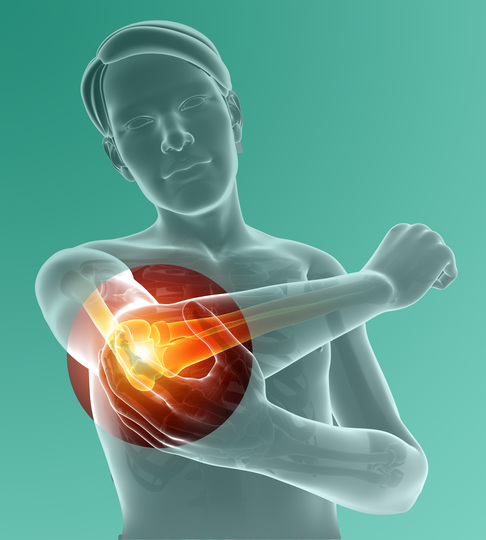
Elbow pain often creeps in gradually — from typing, lifting, or repetitive sports like tennis or golf. Because the elbow connects muscles from both the wrist and shoulder, treating it means looking at the whole arm, not just one joint. Here’s how to ease discomfort and support recovery:
1. Rest and Reduce Strain
If your elbow feels sore, give it a break from repetitive motions. Avoid lifting heavy objects or doing activities that trigger pain. Use your other arm when possible — even short rests help reduce inflammation.
2. Apply Ice in the Early Stage
For the first 48 hours after pain begins, apply an ice pack for 10–15 minutes several times a day to calm swelling and irritation.
3. Warm Up Before Activity
When stiffness is the main issue, switch to gentle warmth — a warm compress or light massage before activity can improve flexibility and blood flow to the muscles around your elbow.
4. Gentle Stretching and Strengthening
Focus on forearm stretches and grip exercises to restore balance. Slowly bend and straighten your arm, rotate your wrist, or squeeze a soft ball to maintain range of motion without overloading the joint.
5. Check Your Posture and Setup
Poor posture at your desk or gym can overload the elbow. Keep your shoulders relaxed, wrists neutral, and elbows close to your sides while working or lifting. Ergonomic tools like cushioned mouse pads and adjustable desks can make a big difference.
6. The Jaw–Shoulder Connection
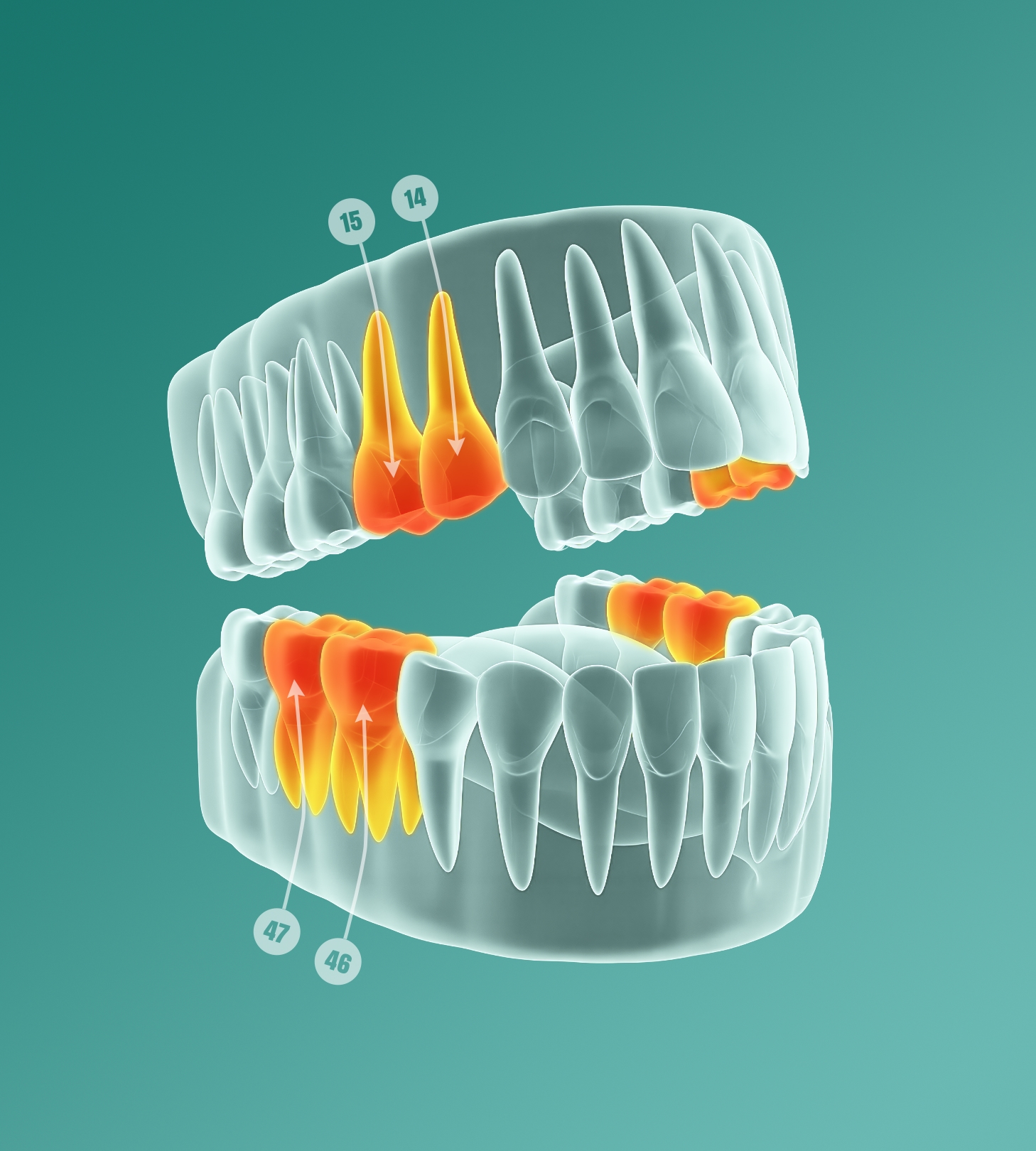
Chronic jaw clenching or teeth grinding can cause shoulder and neck tension, which sometimes radiates into the elbows. Over time, this chain reaction increases strain through the arms. Relaxing your jaw and keeping your bite balanced helps reduce upper-body tension overall.