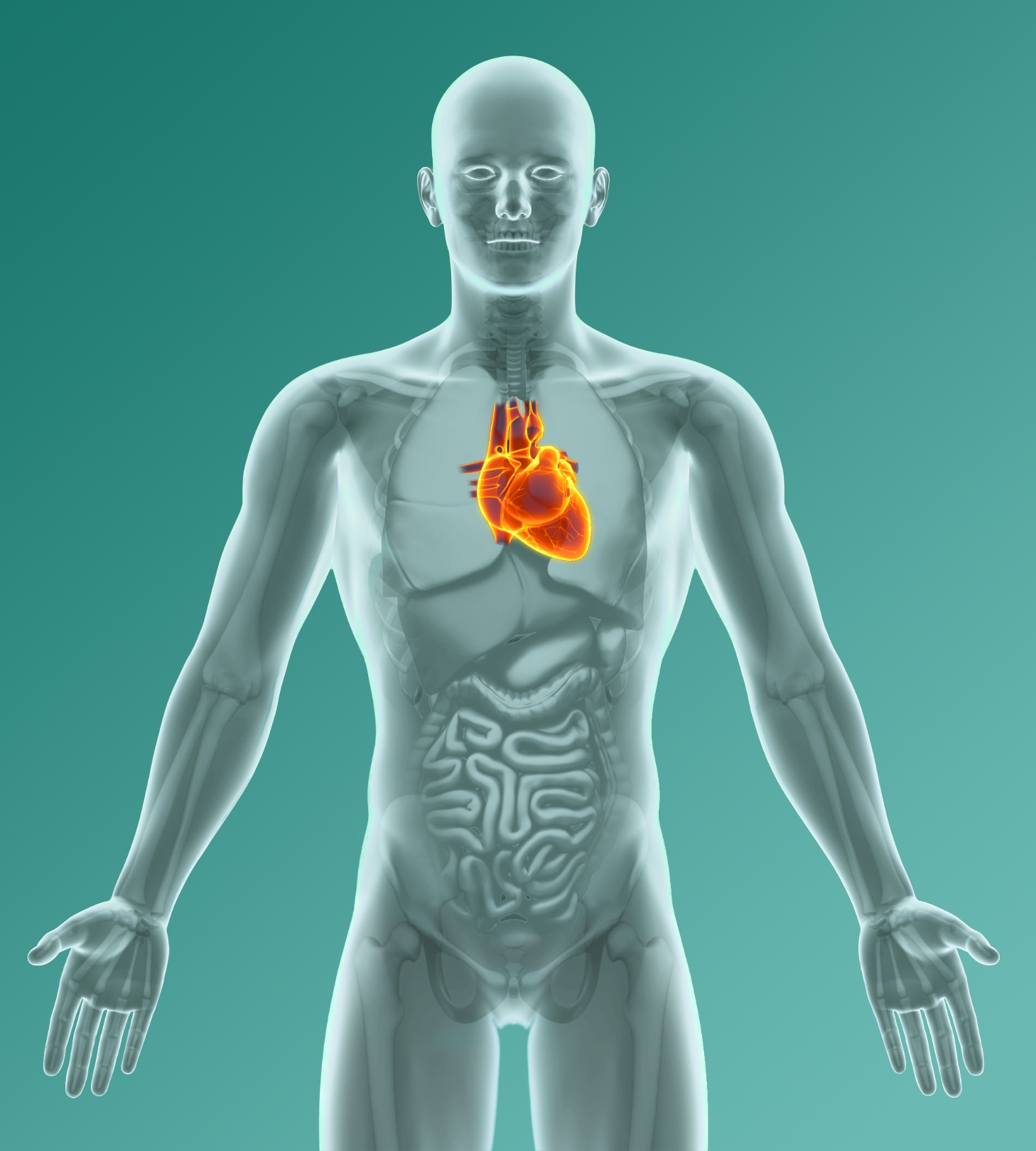
Heart pain — often described as pressure, tightness, or discomfort in the chest — should never be ignored. While mild chest discomfort can sometimes come from stress or muscle tension, true heart pain (angina or cardiac-related pain) can signal something serious. Knowing what to do can save your life.
1. Recognize the Warning Signs
Seek immediate medical help if you feel:
-
Pressure or squeezing pain in the center or left side of your chest
-
Pain spreading to the arm, jaw, neck, back, or stomach
-
Shortness of breath, dizziness, nausea, or sweating
If you suspect a heart attack, call emergency services right away (144 in Switzerland, 112 in the EU) — do not try to drive yourself.
2. Stop and Rest
If your chest pain occurs during exertion or stress, stop immediately and sit down calmly. Take slow, deep breaths. If you’ve been prescribed nitroglycerin, take it as directed.
3. Avoid Self-Diagnosis
Heart pain can sometimes mimic heartburn, muscle tension, or anxiety, but only a medical evaluation (ECG, blood tests, or imaging) can confirm the cause. Don’t take chances — better one unnecessary check than a missed emergency.
4. Manage Everyday Risk Factors
To protect your heart in the long term:
-
Eat a Mediterranean-style diet rich in vegetables, olive oil, and fish
-
Exercise moderately (e.g., 30 minutes of walking a day)
-
Quit smoking and limit alcohol
-
Monitor your blood pressure, cholesterol, and blood sugar regularly
5. The Mouth–Heart Connection and Tooth Meridian
Research shows that gum disease (periodontitis) can increase the risk of heart problems by promoting chronic inflammation in the body. But there’s also an energetic link:
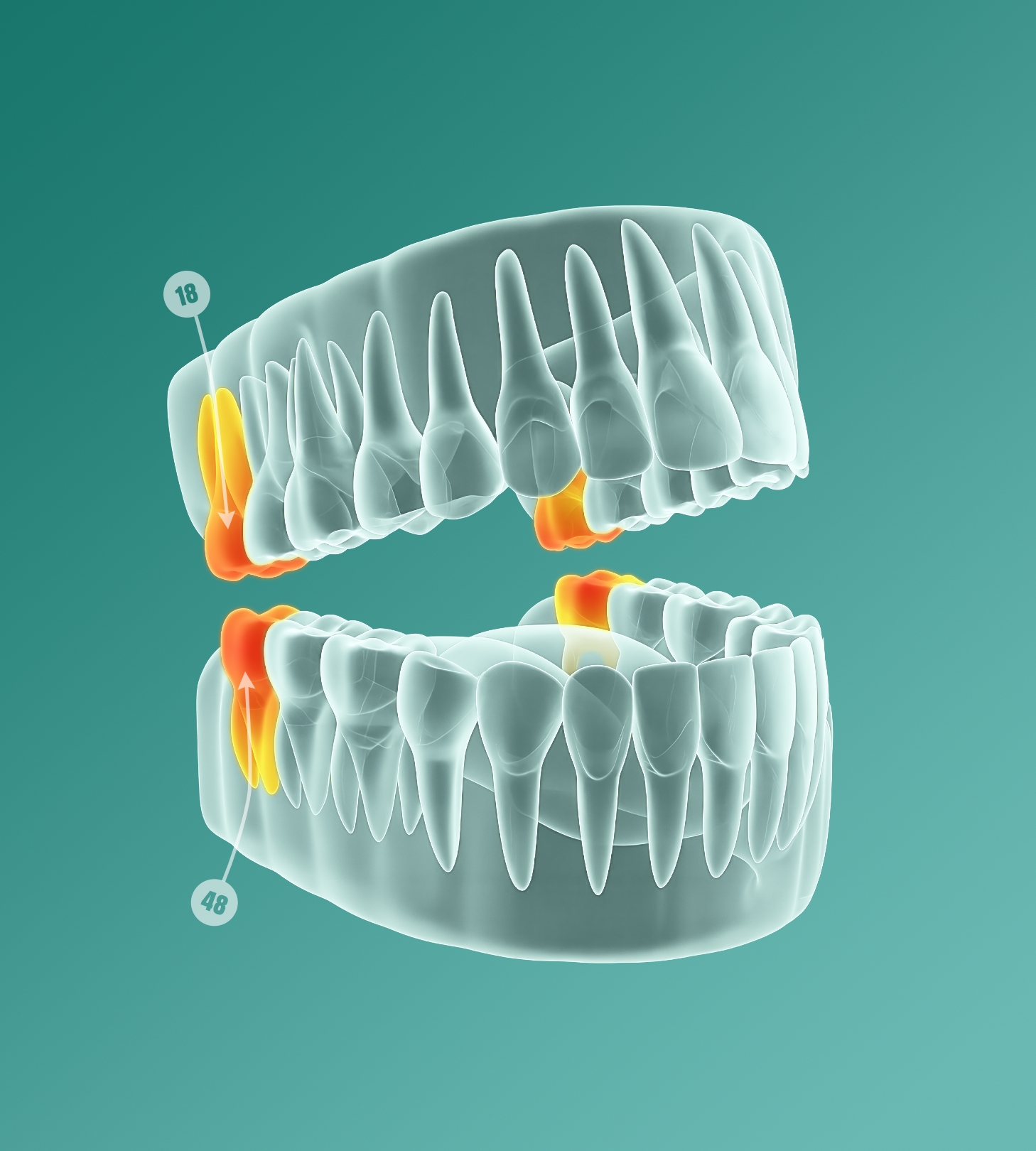
According to the tooth–organ meridian system, the upper and lower canine teeth are connected to the heart and circulatory system. Inflammation, infection, or imbalance in these teeth may influence the heart’s energy flow and overall vitality. Maintaining excellent oral hygiene, addressing root canal issues, and balancing the jaw can therefore support heart health — both physically and energetically.
6. Manage Stress
Emotional stress triggers the release of stress hormones that can tighten arteries and raise blood pressure. Try deep breathing, mindfulness, yoga, or walks in nature to keep your nervous system balanced.