Skip to main content Skip to footer

Hip Pain

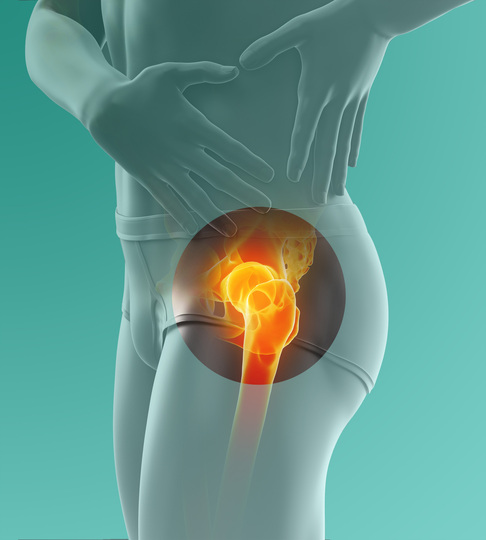
Hip pain affects millions of people worldwide. What many don’t realize is that oral health issues — such as hidden dental infections or disturbances — can influence the hips and spine through the body’s meridian connections.

How it feels:

  • Groin or outer-hip ache
  • Stiffness after sitting
  • Pain when walking or at night

For high‑performing adults, the priority is to stabilise symptoms early with targeted strength, mobility and neuromuscular training rather than waiting until pain forces a crisis decision.

Elite centres build long‑term plans that integrate physiotherapy, load management, joint‑friendly training, weight optimisation and, if needed, staged interventions so that you can continue to travel and lead at a high level with fewer flare‑ups.

In expert hands, structured conservative care comes first: education, targeted exercise, body‑weight optimisation, analgesia when needed and judicious injections to buy time and maintain function.

If replacement does become necessary, leading surgeons use advanced imaging, precise planning and minimally invasive techniques to reduce downtime, but many HNWIs can postpone surgery for years with a disciplined regimen and coordinated team.

Chronic periodontitis and oral dysbiosis add to low‑grade systemic inflammation, which is increasingly recognised as a contributor to cartilage degeneration, bone loss and impaired recovery after orthopaedic interventions.

Addressing periodontal disease, optimising oral hygiene and using biologically friendly dental materials can therefore complement orthopaedic care by lowering overall inflammatory burden and supporting tissue healing.

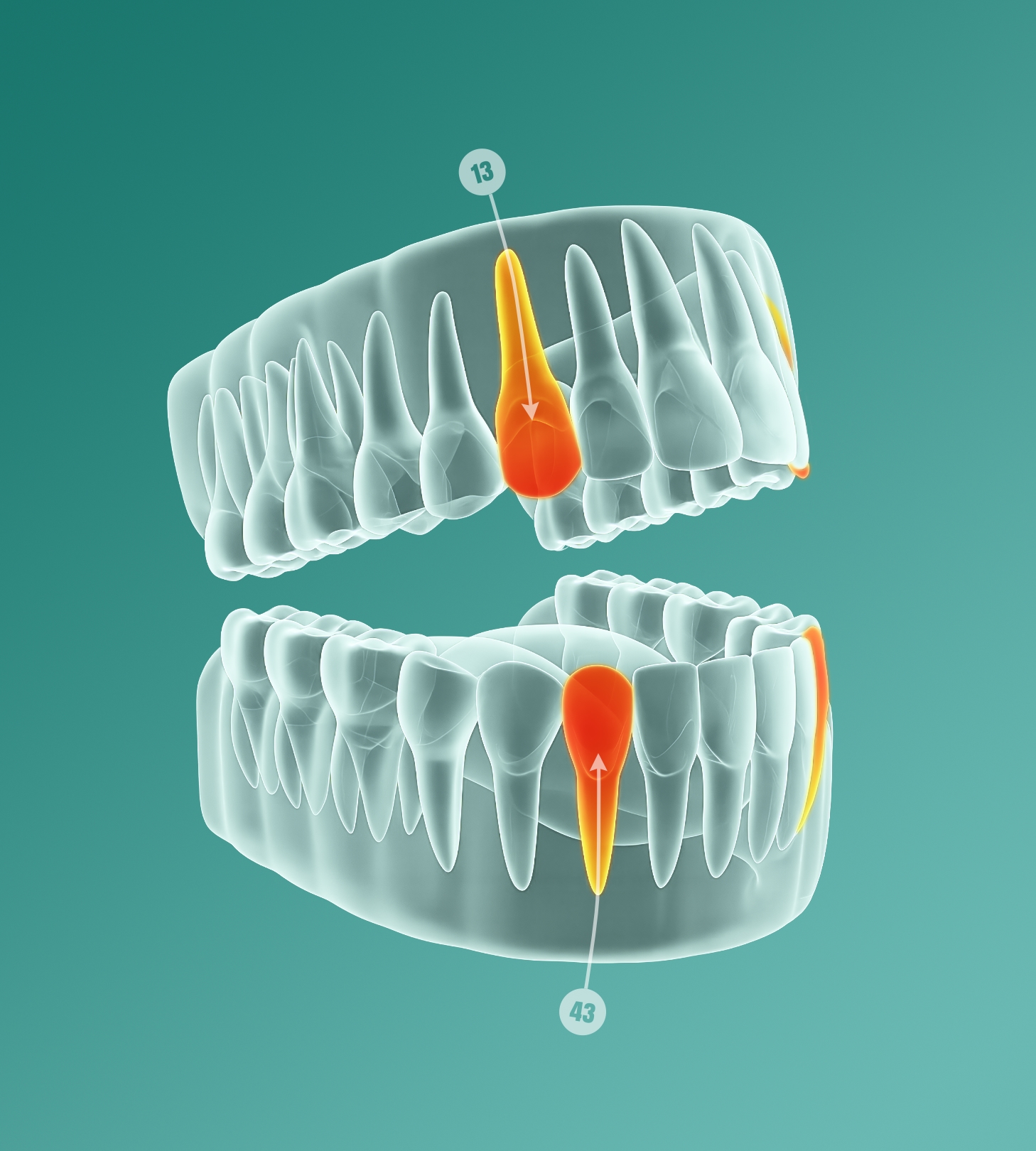
In meridian‑based concepts, upper molars and lower premolars, as well as canines, are linked to hip and pelvic regions, so bio dentists often scrutinise these for root‑treated teeth, hidden infections or heavy‑metal restorations.

From a material standpoint, a “bio health” approach favours inert, metal‑free ceramics such as zirconia implants and high‑grade ceramics in these zones to minimise chronic irritation, galvanic effects and biofilm accumulation near key meridians.

For patients who choose amalgam removal, it is generally safer to complete the main dental decontamination and healing before a major hip operation so that the immune system faces fewer simultaneous stresses.

Many HNWIs therefore sequence care: first stabilising oral infections and materials with a bio dentist, then undergoing hip surgery, and finally fine‑tuning dental rehabilitation with ceramic implants once orthopaedic recovery is underway.

Such a check‑up typically combines high‑resolution hip imaging, gait and strength diagnostics and functional scoring with 3D dental scans, detailed periodontal charting and review of all root‑treated or heavily restored teeth.

The output is a coordinated roadmap that prioritises conservative orthopaedic therapy, systemic risk factor control, and a staged dental plan (including safe amalgam removal and ceramic implant strategy) tailored around travel and competitive calendars.

Typical causes: 

  • Osteoarthritis

  • Bursitis (inflammation around the hip)

  • Weak or tight glute muscles

  • Labrum irritation

  • Overuse from running or repetitive strain

How common is it?

  • Around 10% of adults report hip pain overall

  • In adults over 60, the rate rises to ~14%

The Teeth Connection

Certain teeth are linked to the hip joint through the body’s meridian pathways. Dental infections or imbalances can add stress to the hip and may contribute to chronic discomfort or slower healing.

Takeaway: If hip pain continues despite exercise or therapy, checking for dental factors may help uncover the missing piece to long-term relief.

How to Relieve Hip Pain

Hip pain can come from sitting too much, overtraining, or simply from tight muscles that limit movement. Because your hips are central to almost every motion — walking, standing, even sleeping — keeping them flexible and balanced is key to long-term comfort.

1. Keep Moving — Gently

Long periods of sitting can make hip muscles stiff. Try gentle walking, light yoga, or hip circles to maintain mobility. Movement helps lubricate the joint and ease discomfort.

2. Stretch and Strengthen

Focus on hip flexor and glute stretches, like lunges, pigeon pose, or seated figure-four stretches. Combine them with strength exercises such as bridges and side leg raises to stabilize the hips and reduce pressure.

3. Apply Heat or Cold

Use ice after intense activity or if there’s inflammation. When stiffness is the main issue, warm compresses or warm baths can relax the surrounding muscles and improve circulation.

4. Support Your Posture

Misalignment in the lower back or pelvis can put stress on your hips. Try to sit with both feet flat, avoid crossing your legs for long periods, and use a chair that supports your spine’s natural curve.

5. Choose Supportive Footwear

Your hips absorb every step you take. Shoes with poor cushioning or uneven soles can throw off your body’s balance. Replace worn shoes and consider insoles for better alignment.

6. The Dental Link

Surprisingly, jaw clenching or bite misalignment can cause muscular tension patterns that travel down the body — sometimes reaching the hips. The body compensates subtly, but over time, this can influence posture and muscle tone. Maintaining a relaxed jaw and balanced bite supports your whole kinetic chain.