Skip to main content Skip to footer

Kidneys & Bladder

Vital Filters

KNOWLEDGE:

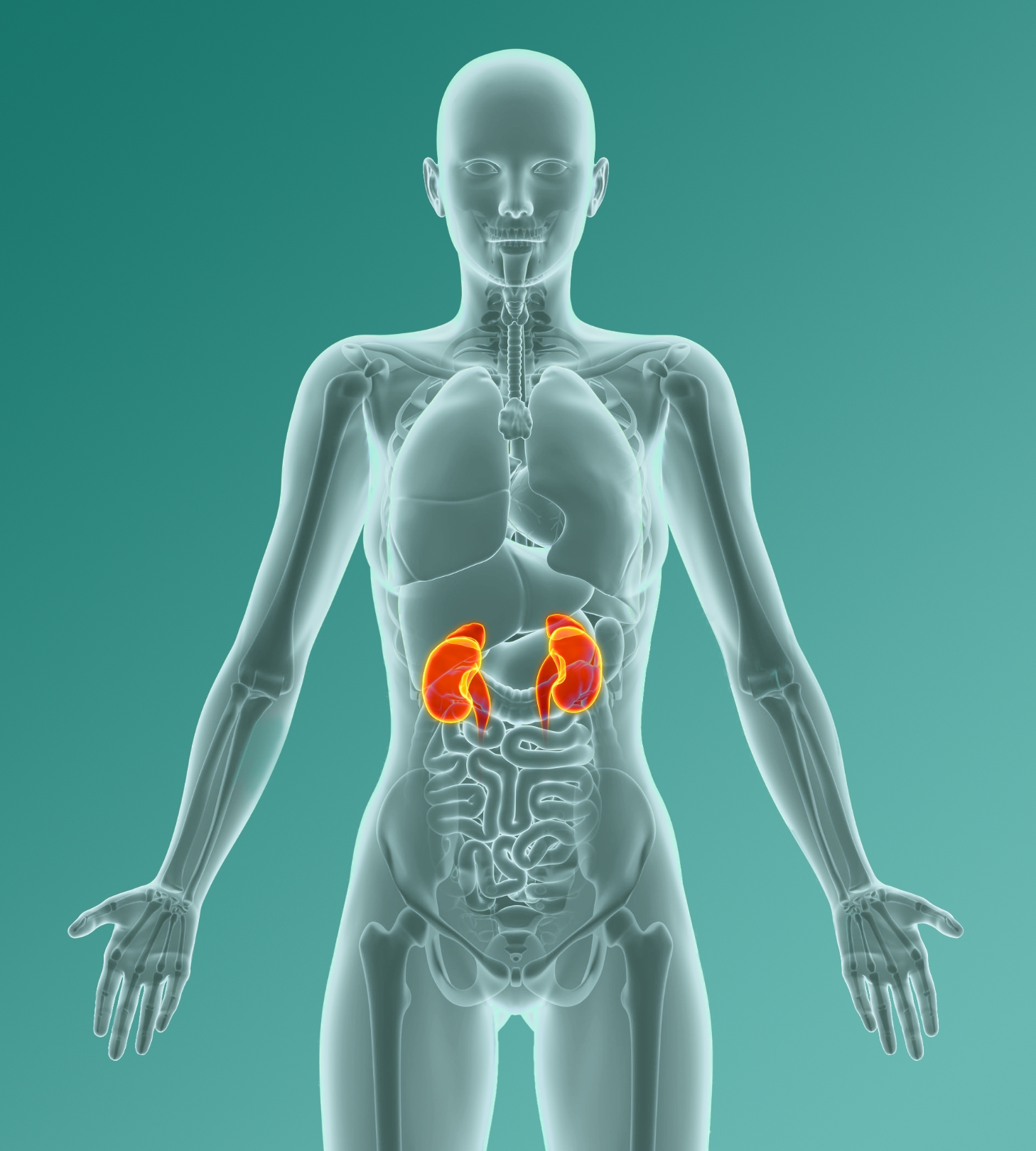
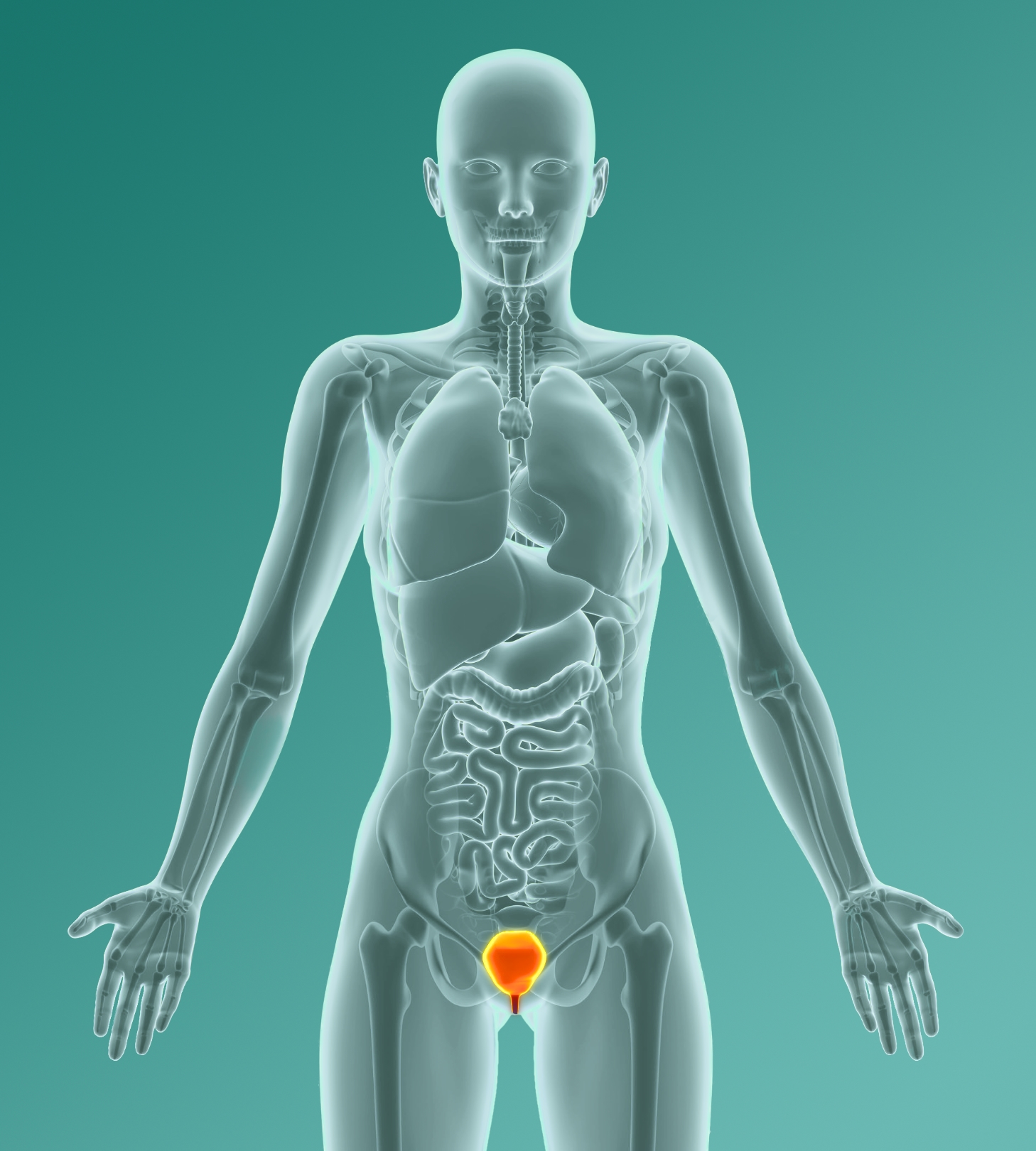
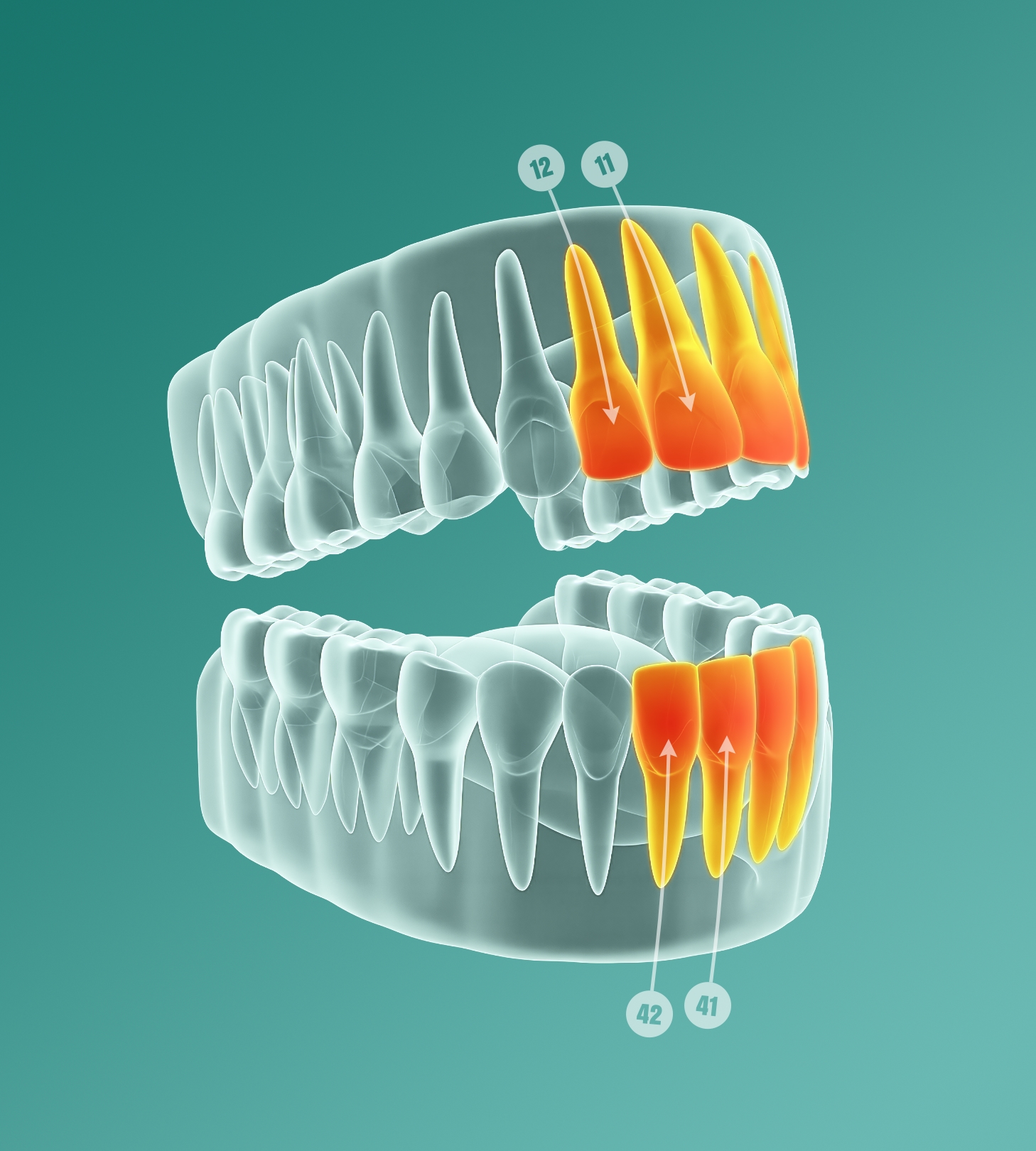
The kidneys and bladder work together to regulate fluid balance, detoxification, and energy reserves. In the meridian system, both organs are connected with the incisors (teeth 11, 12, 21, 22, 31, 32, 41, 42). Stress or disturbances in these teeth can weaken kidney energy, disrupt bladder function, and contribute to recurring back or pelvic tension.

Chronic kidney disease (CKD) affects an estimated 850 million people worldwide and close to 100 million Europeans, often without symptoms in early stages. (Source)

Analyses for Europe project that CKD will become a top 3 cause of death in several countries by 2050, driven by aging, diabetes, hypertension, and obesity—even in high-income populations. (Source)

Core screening tests are the estimated glomerular filtration rate (eGFR) from a blood sample and urine albumin-to-creatinine ratio, which together detect even mild impairment. (Source)

Guidance for Europe emphasises that risk rises when eGFR falls below about 60 ml/min/1.73 m² or albumin in the urine increases, and that early detection allows interventions that delay kidney failure by many years. (Source)

Kidney stone specialists highlight that chronic low fluid intake, high salt and animal-protein diets, and sedentary time raise stone risk, while aiming for around 2.5 litres of urine output daily helps prevention. (Source)

Academic urology centres recommend 24-hour urine testing and metabolic work-ups for recurrent stone formers, which enables tailored diet and medication plans that can cut future episodes roughly in half. (Source)

Major kidney organisations stress controlling blood pressure, optimising blood sugar, maintaining a healthy weight, exercising regularly, not smoking, and staying well hydrated as cornerstones of CKD prevention. (Source)

For people with a history of stones, guidance recommends normal calcium intake but reduced salt and animal protein, along with more fruits and vegetables, to significantly reduce recurrence risk. (Source)

Global burden analyses show that CKD increases steeply with age and is closely linked to diabetes and hypertension, conditions that become more common in midlife and older adults. (Source)

European initiatives also note that women and men alike experience high rates of underdiagnosed CKD, so older executives benefit from routine kidney checks even if they feel well and have access to premium care. (Source)

Leading private hospitals in Austria and Germany describe integrated nephrology and urology services with advanced imaging, minimally invasive surgery, and dedicated stone, oncology, and incontinence programmes. (Source)

These centres often run coordinated international patient pathways that bundle diagnostics, multidisciplinary case conferences, treatment, and follow-up into compact time windows tailored for executives and HNWIs. (Source)

Regulatory and toxicology reviews confirm that dental amalgam contains about 50% mercury and that elemental mercury vapour from fillings is absorbed and distributed to organs including the kidneys. (Source)

Biological dentistry organisations emphasise using high-protection protocols for removal, as poorly controlled drilling can sharply increase mercury exposure, whereas SMART-style techniques aim to keep systemic and renal burden as low as reasonably achievable. (Source)

Kidneys

  • How it feels: Low back pain, swelling in ankles, tiredness, frequent urination, ringing in ears.

  • Typical issues: Kidney stones, infections, reduced kidney function, chronic kidney disease.

  • How common: ~9% of adults globally have reduced kidney function.

Bladder

  • How it feels: Pelvic discomfort, urgency, disrupted sleep due to nighttime urination, recurring infections.

  • Typical issues: Cystitis, bladder infections, incontinence, urinary tract disorders.

  • How common: Up to ~30% of adults experience bladder-related problems during life.

The Teeth Connection

Infections, trauma, or unresolved dental issues in the incisors may block energy flow through the kidney and bladder meridians. These blockages can manifest as fatigue, urinary imbalance, spinal pain, or reduced vitality. By restoring balance in these teeth, the pathways supporting the kidneys and bladder can function more effectively.

Takeaway: Maintaining healthy incisors can protect kidney energy, balance fluids, and support bladder health, helping to reduce fatigue and recurring back tension.

How to Reduce Kidney Pain

Kidney pain is typically felt deep in the lower back or sides, just below the ribs. It can result from dehydration, infection, or other imbalances in your body’s filtration system. Because your kidneys are vital for cleansing and balancing fluids, it’s important to understand the cause — and support them naturally.

1. Stay Well Hydrated

The kidneys depend on water to flush out toxins. Drink plenty of clean, filtered water throughout the day — ideally small sips rather than large amounts all at once. Avoid excessive caffeine or sugary drinks, which can strain kidney function.

2. Eat Light and Clean

A low-salt, low-processed diet supports kidney health. Choose fresh fruits, vegetables, and whole grains. Foods like parsley, celery, and watermelon have gentle cleansing effects. Avoid heavy animal protein or too much sodium, especially if your kidneys feel tender or swollen.

3. Apply Gentle Warmth

If your pain is mild and not infection-related, a warm compress on your lower back can ease tension and improve circulation in the area. Rest in a comfortable position, ideally lying on your side with your knees slightly bent.

4. Be Alert for Signs of Infection

Sharp, one-sided pain, fever, or burning during urination may signal a kidney or urinary tract infection (UTI). In that case, you should see a doctor immediately, as infections can spread quickly.

5. Manage Stress and Energy Flow

In holistic medicine, the kidneys are considered the body’s energy batteries, linked to vitality, fear, and willpower. Chronic stress can deplete this energy. Practices such as deep breathing, meditation, and gentle stretching help restore balance and ease kidney tension.

6. The Teeth–Kidney Meridian Connection

Infections, dental metal fillings, or inflammation in these teeth may influence kidney energy flow — and vice versa. When kidney function is low or energy is blocked, people sometimes experience sensitivity or dull pain in these same teeth. Maintaining healthy front teeth and addressing dental imbalances can therefore help support kidney health through the body’s subtle meridian network.