Skip to main content Skip to footer

Knee Pain

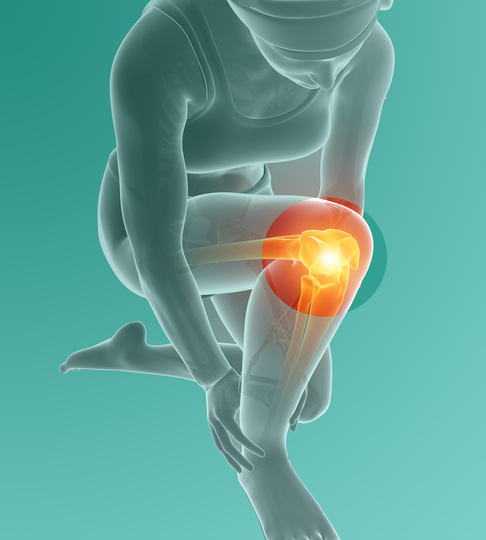
Knee pain is a common problem that can affect people of all ages, from athletes to office workers. What many don’t realize is that dental health can sometimes play a role through the body’s meridian connections.

How it feels:

  • Ache at the front or inside of the knee
  • Pain after sitting or when climbing stairs

  • Swelling, stiffness, or catching sensations

Recent reviews show that periodontitis contributes to low‑grade systemic inflammation and is associated with several systemic conditions, including musculoskeletal disorders. (Source)

For executives and athletes with persistent knee pain or osteoarthritis, a bio‑health approach therefore includes periodontal therapy and control of oral dysbiosis alongside guideline‑based knee management to reduce inflammatory load on joints. (Source)

A bio dentist starts with periodontal status, looking for chronic gum inflammation and bone loss that may be driving systemic cytokine activity relevant to joint pain.

The assessment then extends to root‑treated teeth, jawbone lesions and extensive or mixed‑metal restorations, with the aim of identifying oral foci that could be amplifying systemic inflammation or interfering with optimal recovery from knee rehabilitation or surgery.

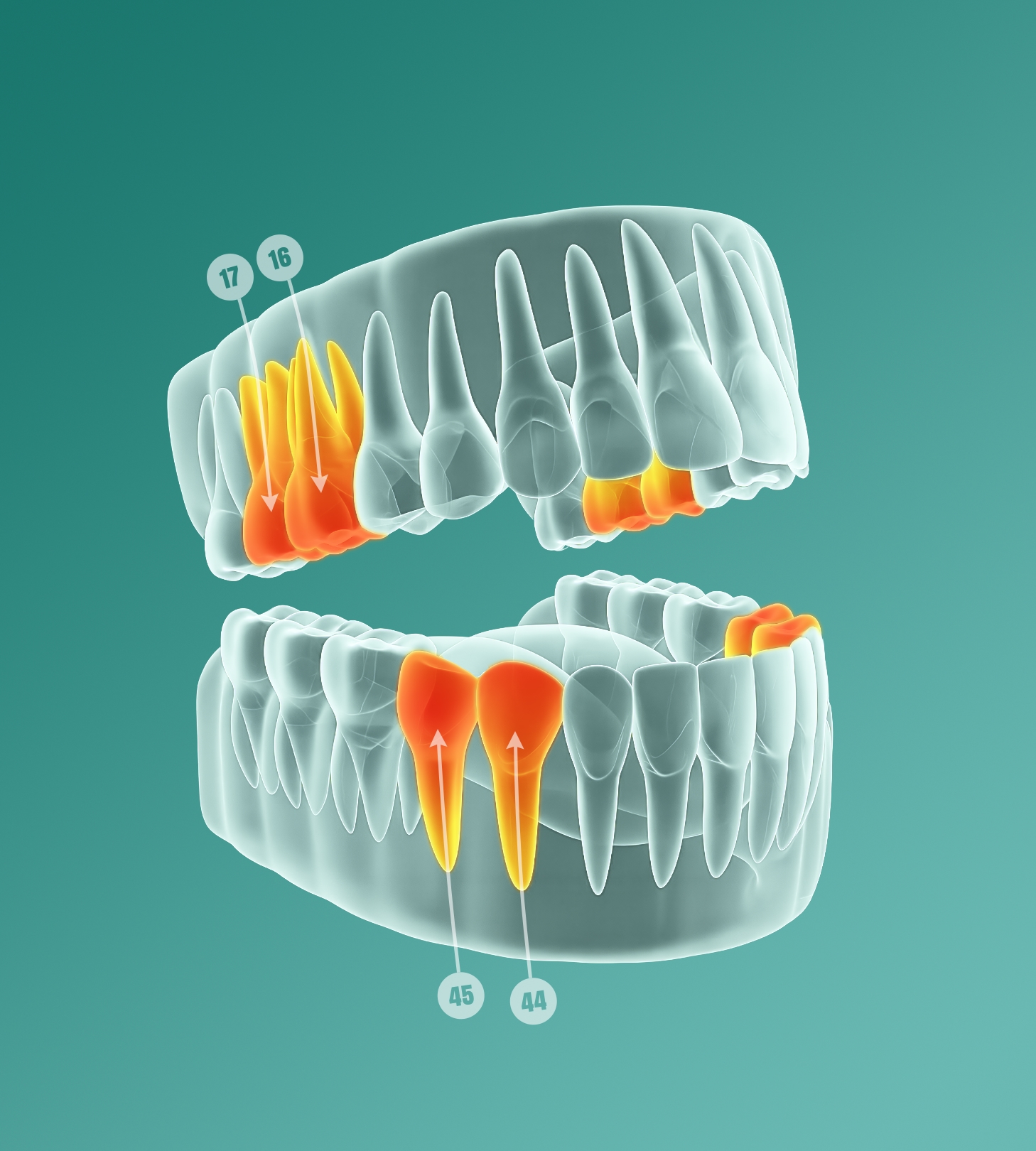
Meridian charts used in biological dentistry map specific premolars and molars to energetic pathways that include hip, knee and lower‑limb joints, suggesting that chronic problems in those teeth may resonate along the leg line.

Although these associations come from traditional Chinese medicine rather than conventional orthopaedics, some high‑net‑worth patients choose to address suspicious teeth on knee‑related meridians when symptoms persist despite high‑quality imaging, physiotherapy and medical treatment.

Biological dentistry emphasises that amalgam contains mercury and may generate galvanic currents when combined with other metals, so removal is performed with strict protective protocols to minimise exposure. (Source)

For HNWIs with systemic or multi‑joint complaints, including knees, staged safe amalgam removal and replacement with biocompatible materials is positioned as a way to reduce potential toxic and electrical stress that could be aggravating overall inflammatory status.

Metal‑free ceramic implants, especially zirconia, are promoted as fully biocompatible, corrosion‑resistant and free from galvanic currents, and are often used in biological dentistry to reduce chronic immune activation from metals. (Source)

While they do not directly treat knee pathology, aligning dental rehabilitation with systemic anti‑inflammatory goals gives executives and elite athletes a coherent framework that supports joint, bone and soft‑tissue health over years of high demand. (Source)

To avoid stacking biological and surgical stress, many teams prefer to complete major dental decontamination well before elective knee surgery or the most intensive phases of rehabilitation.

HNWIs often phase care: first optimising periodontal health and materials, then proceeding with knee surgery or regenerative interventions, and finally completing ceramic implant rehabilitation once recovery is stable and training loads are predictable again.

Typical Causes

  • Overuse from sports or repetitive strain

  • Meniscus or ligament injuries

  • Kneecap tracking problems

  • Osteoarthritis

  • Weak hip or glute support

How common is it?

  • Around 25–32% of adults report knee pain within a year.

The Teeth Connection

Certain teeth are linked to the knee joint via the body’s meridian system. Dental issues such as infection, jaw misalignment, or chronic inflammation can influence knee health and even aggravate existing pain.

Takeaway: If your knee pain isn’t improving with exercise or treatment, checking the dental connection may reveal an overlooked factor in your recovery.

How to Treat Knee Pain

Knee pain is one of the most common joint issues, affecting people of all ages — from athletes to office workers. The good news: in most cases, you can relieve or manage it with a mix of smart movement, self-care, and preventive habits.

1. Start with Rest and Gentle Movement

If your knee is swollen or sore after activity, begin with short rest periods and gentle range-of-motion exercises. Try light stretching or cycling at a low intensity. Keeping your knee completely still for too long can actually make stiffness worse.

2. Apply Heat or Cold

Use a cold pack during the first 24–48 hours to reduce inflammation. Once the swelling goes down, switch to gentle heat, such as a warm compress or bath, to relax tight muscles and improve blood flow.

3. Strengthen Supporting Muscles

Strong thigh and hip muscles take pressure off your knees. Focus on exercises like wall-sits, mini-squats, or glute bridges — always pain-free and with proper alignment.

4. Check Your Posture and Footwear

Poor posture or worn-out shoes can affect your knee alignment. Replace shoes regularly and consider orthotic support if you walk or stand for long periods.

5. Watch Your Weight

Every extra kilo puts significant stress on your knee joints. Even small, gradual weight loss can reduce pain and improve joint function.

6. Consider the Mouth-Body Connection

Few people know that chronic inflammation in the mouth — for example, from untreated gum issues — can contribute to joint inflammation. Maintaining excellent oral hygiene and addressing dental infections promptly may support overall joint health.