Skip to main content Skip to footer

Liver & Gall bladder

Knowledge:

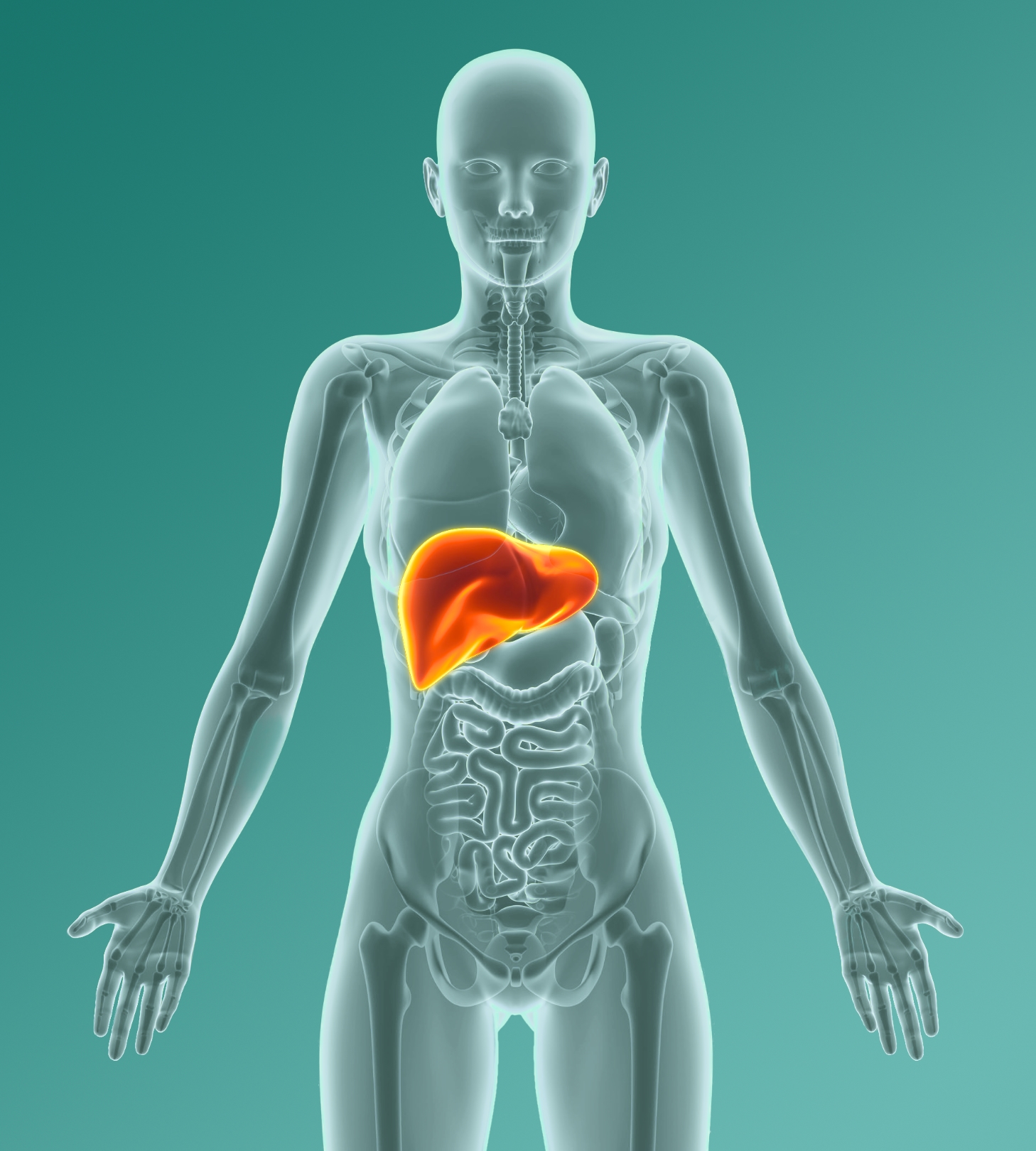
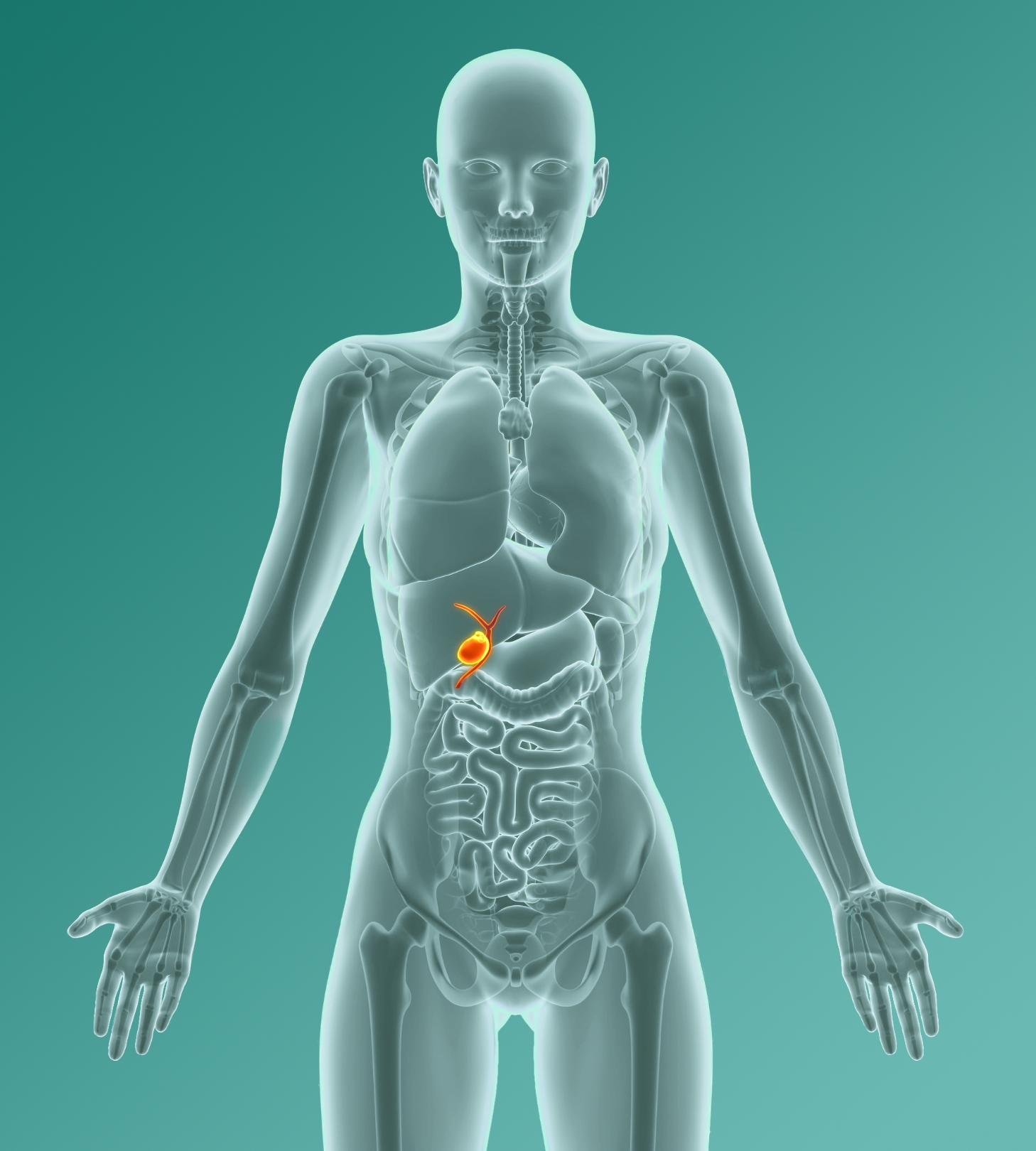
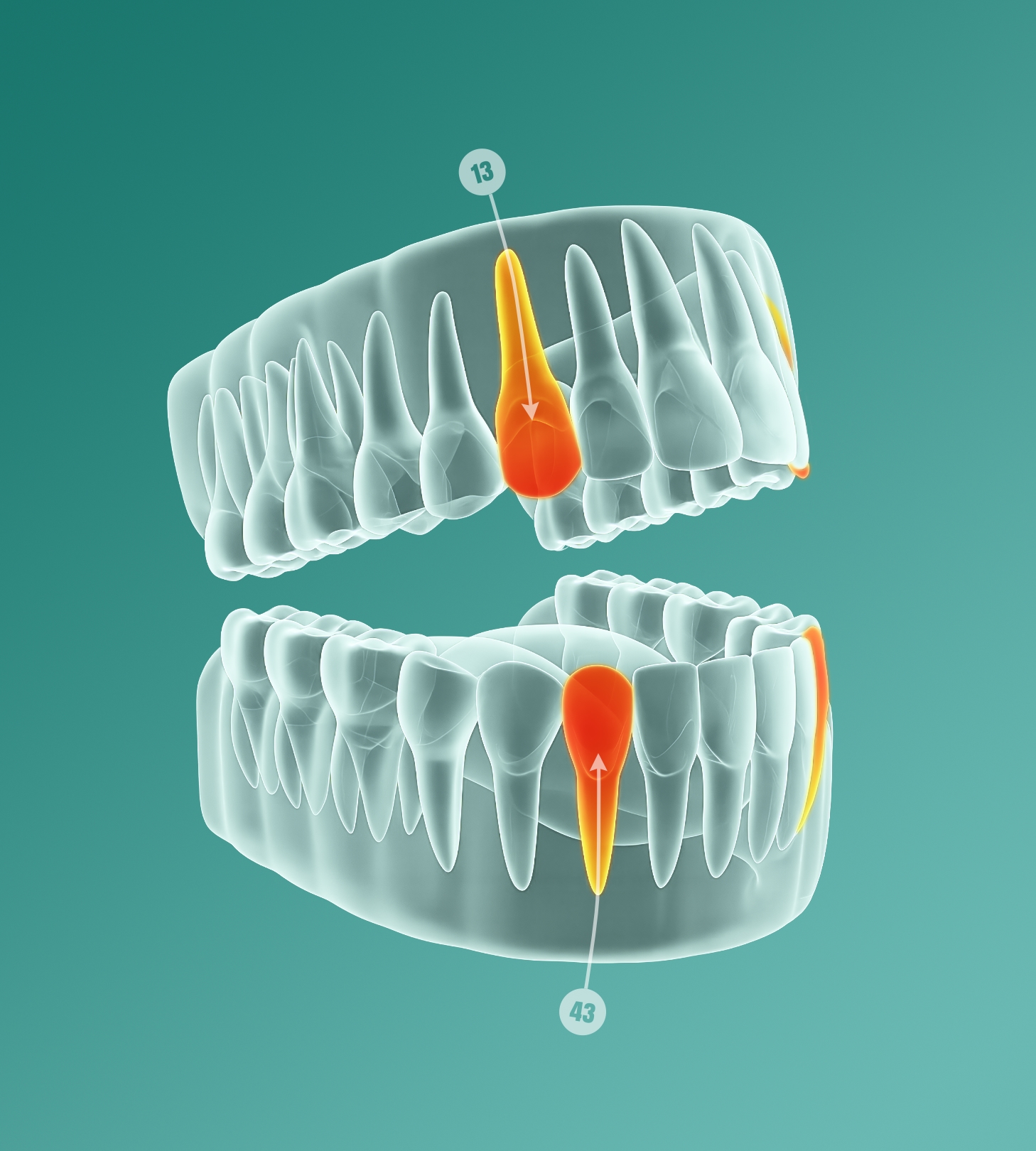
The liver and gallbladder play key roles in detoxification, metabolism, and fat digestion. In the meridian system, they are strongly connected with the canines (teeth 13, 23, 33, 43). Problems in these teeth can disrupt liver energy, bile flow, and contribute to fatigue or digestive imbalance.

Holistic meridian tooth charts place the upper and lower canines on a liver–gall-bladder meridian, suggesting that disturbances in these teeth may resonate with hepatobiliary function. (Source)

Swiss Biohealth summarises that problems with the canine teeth can negatively affect the health of the eyes, liver, gall bladder, hips and overall detoxification potential within this meridian-based model. (Source)

Meridian tooth charts are derived from acupuncture and traditional Chinese medicine and describe energetic pathways between teeth and organs, but they are not part of standard biomedical diagnostics. (Source)

Bio dentists who use meridians emphasise that they complement, rather than replace, conventional findings; decisions about liver, gall-bladder or hip disease still depend on medical imaging, lab work and specialist evaluation. (Source)

Recent reviews describe an emerging oral–gut–liver axis, where periodontitis and oral dysbiosis can aggravate liver diseases such as fatty liver, cirrhosis and viral hepatitis through systemic inflammation and microbial translocation. (Source)

Newer work on viral hepatitis and gum disease similarly notes shared inflammatory pathways and suggests that managing periodontal health should be part of interdisciplinary care for patients with chronic liver conditions. (Source)

Detailed meridian charts list liver–gall-bladder canines as linked not only to hepatobiliary organs but also to eyes, hips and specific spine segments, implying that long-standing disturbances here may mirror or modulate complaints in these regions. (Source)

Some biological clinics therefore examine the canine area carefully in patients with chronic eye strain, hip problems or low resilience to toxins, looking for root-treated teeth, infections or metal restorations while recommending parallel orthopaedic and medical work-ups. (Source)

Scientific reviews argue that periodontitis can promote systemic oxidative stress and inflammatory signalling that may worsen chronic liver disease, making periodontal therapy a logical part of liver-supportive care. (Source)

Experts describing the oral–gut–liver axis also note that reducing oral pathogen load may ease microbial and immune stress on the liver and biliary system, particularly in patients with fatty liver or viral hepatitis. (Source)

Holistic practices report that metals and amalgam on meridian-critical teeth can create galvanic currents or “energetic interference”, so they favour zirconia ceramics and other biocompatible materials on canine teeth tied to liver and gall bladder. (Source)

This aligns with a broader biological dentistry focus on toxin-reduced, corrosion-resistant materials to ease the burden on detox organs and lower chronic inflammatory load. (Source)

Integrative assessments usually combine a detailed history of liver, gall-bladder, eye and hip issues with focused examination and imaging of the canine region, reviewing root canals, restorations and occlusal load. (Source)

Findings can then be coordinated with hepatology or functional-medicine input, linking safe material choices, periodontal therapy and detox-supportive lifestyle advice into a stepwise, personalised plan. (Source)

Liver

  • How it feels: Sluggish digestion, fatigue, irritability, eye strain, headaches.

  • Typical issues: Fatty liver disease, hepatitis, cirrhosis.

  • How common: Non-alcoholic fatty liver disease affects ~25% of adults globally.

Gallbladder

  • How it feels: Nausea after fatty meals, right-sided abdominal pain, digestive discomfort.

  • Typical issues: Gallstones, bile flow disorders, inflammation (cholecystitis).

  • How common: Gallstones occur in ~10–15% of adults.

The Teeth Connection

Infections, trauma, or chronic stress in the canine teeth may block the liver and gallbladder meridians. These disturbances can manifest as tension headaches, eye strain, irritability, or sluggish digestion. Restoring balance in the canines helps support the liver’s detox pathways and the gallbladder’s role in healthy digestion.

Takeaway: Strong, infection-free canines may help the liver detoxify efficiently and keep the gallbladder functioning smoothly, reducing risks of tension headaches and sluggish digestion.

Reasons for Liver Pain

Liver pain is usually felt as a dull or sometimes sharp ache in the upper right side of the abdomen, just below the ribs. Because the liver plays a vital role in detoxification, metabolism, and energy balance, discomfort in this area can have several causes — from lifestyle factors to deeper systemic imbalances.

1. Overload from Diet or Alcohol

One of the most common causes of liver pain is fatty liver or inflammation due to excessive alcohol, processed foods, or sugary drinks. When the liver becomes overloaded, it swells slightly — causing pressure and discomfort. A diet rich in vegetables, fiber, and hydration helps ease the strain and supports natural detoxification.

2. Viral or Medical Conditions

Hepatitis infections, gallstones, or bile flow issues can also trigger liver pain. These often come with fatigue, nausea, or yellowing of the skin and eyes (jaundice). Such symptoms always require medical evaluation to rule out serious conditions.

3. Toxin Buildup and Medication Stress

Certain medications, painkillers, and environmental toxins can overwork the liver. Reducing unnecessary medication use, staying hydrated, and eating antioxidant-rich foods (like berries, turmeric, and green tea) support liver recovery and resilience.

4. Emotional and Energetic Factors

In traditional Chinese medicine, the liver is linked to anger, frustration, and stress. Emotional stagnation can manifest as physical tightness or discomfort around the liver area. Regular movement, mindfulness, and calm breathing help release tension and restore balance.

5. The Teeth–Liver Meridian Connection

According to the tooth–organ meridian chart, the upper and lower canines and premolars are connected to the liver and gallbladder meridians. Infections, root canal treatments, or chronic tension in these teeth may disturb liver energy flow. Conversely, liver stress or imbalance can sometimes show up as tooth sensitivity or gum inflammation in these areas. Maintaining good oral health and addressing hidden dental issues can therefore support both liver and gallbladder well-being.