Skip to main content Skip to footer

Neck Pain

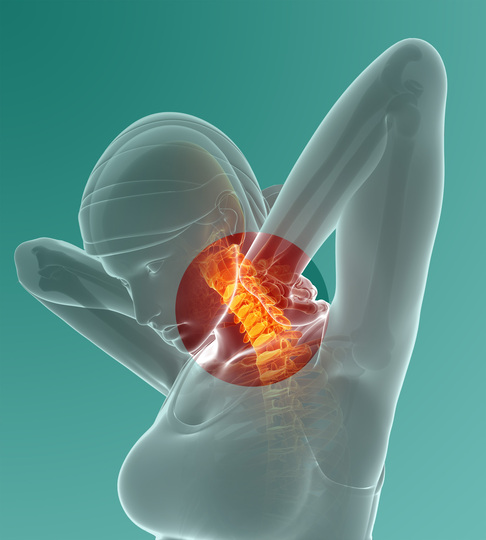
Neck pain is one of the most common reasons people seek help, especially in today’s “tech-driven” world. What’s often overlooked is that dental health can influence neck pain through the body’s meridian connections.

Meridian tooth charts map individual teeth to acupuncture pathways that also pass through musculature and joints in the cervical spine region, so dental disturbances are thought to “resonate” with neck tension or pain. (Source)

Swiss Biohealth further highlights the stomatognathic system (teeth, jaw joints, muscles) as structurally connected with posture, noting that imbalances here can influence head and neck alignment and contribute to muscular overload. (Source)

Tooth–organ–spine meridians come from acupuncture and traditional Chinese medicine and describe energetic connections, but they are not established by controlled biomechanical or neurological trials. (Source)

Bio dentists who use these charts position them as a complementary orientation tool, while diagnosis of neck pain still relies on standard orthopaedic, neurological and imaging-based assessments. (Source)

Swiss Biohealth describes craniomandibular dysfunction (CMD) as a disturbance in the regulation of jaw joints and chewing muscles that can present with headaches, jaw pain and tension in the neck and throat muscles. (Source)

Other CMD-focused clinics in the DACH region similarly report that altered bite, clenching or grinding can overload cervical muscles and fascia, and that splint therapy and bite adjustments can form part of an interdisciplinary neck-pain strategy. (Source)

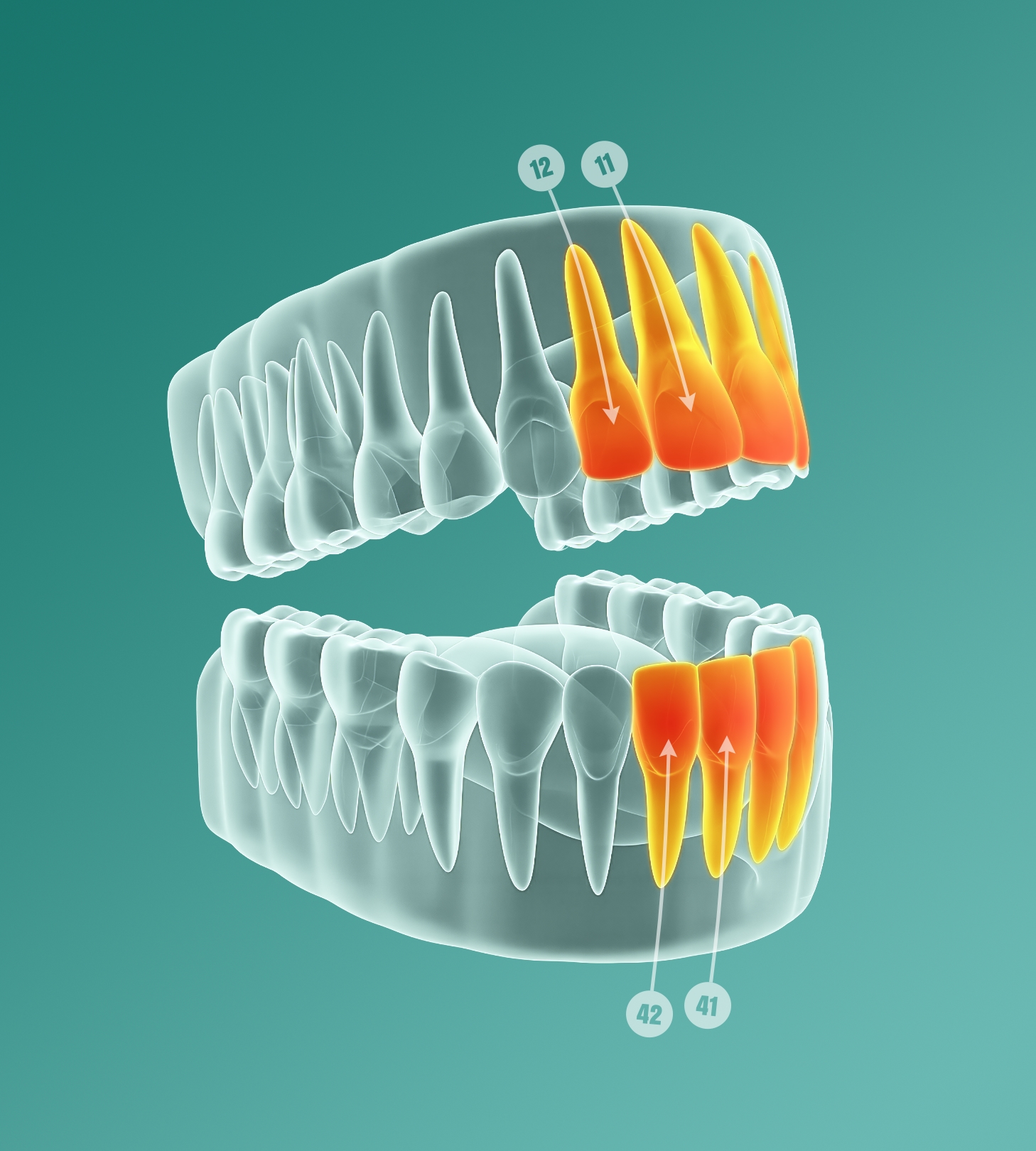
Meridian charts commonly associate certain molars, premolars and anterior teeth with cervical vertebrae such as C5–C7 and with shoulder and upper-back musculature, indicating potential links to tension patterns in these areas. (Source)

Swiss Biohealth’s meridian overview also shows that teeth mapped to lung–colon and kidney–bladder meridians are associated with cervical segments and upper-extremity joints, which can be relevant in patients whose neck pain coexists with dental issues on those meridians. (Source)

Reviews on periodontal disease as a systemic condition describe how chronic gum inflammation drives low-grade systemic inflammation and alters pain sensitivity, potentially worsening musculoskeletal discomfort. (Source)

Experimental work also shows that people with periodontitis can have reduced pressure-pain thresholds, supporting the idea that stabilising oral inflammation may help broader pain-management strategies, including for neck pain. (Source)

Swiss Biohealth and other integrative clinics emphasise interdisciplinary work, combining CMD diagnostics, occlusal analysis and meridian mapping with orthopaedic, physiotherapy and sometimes osteopathic input. (Source)

In this model, dentists address identifiable oral factors—such as malocclusion, parafunction, chronic infections or unsuitable materials—while neck-focused specialists manage structural and functional cervical issues, and progress is monitored jointly. (Source)

The Swiss Biohealth Concept promotes metal-free zirconia implants and ceramics as biocompatible and electrically neutral, aiming to avoid galvanic currents and corrosion that could act as subtle irritants along meridians linked to head and neck regions. (Source)

For patients with chronic neck or head–neck–shoulder pain, this material strategy is combined with CMD therapy and inflammation control as part of a broader, low-toxin, low-tension treatment philosophy. (Source)

  • How it feels: Stiff/sore neck, headaches, pain into shoulder/arm.

  • Typical causes: “Tech neck” posture, muscle tension, facet irritation, whiplash, nerve pinching from a disc.

  • How common: ≈30% in a year.

The Teeth Connection

Certain teeth are linked to the cervical spine (C5–C7) through the body’s meridian system. Issues with these teeth — from hidden infections to jaw imbalance — may contribute to neck stiffness or pain. Caring for your dental health can support both posture and spine alignment.

Takeaway: If your neck pain isn’t improving with posture changes or therapy, exploring the dental connection may open a new path to lasting relief.

How to Relieve Neck Pain

Neck pain is often a result of everyday stress, tension, or posture habits — but it can also be a signal from deeper imbalances in the body. Understanding and correcting these underlying causes is the key to lasting relief.

1. Support Healthy Posture

Keep your head balanced above your shoulders and avoid leaning forward toward your screen. Small posture corrections throughout the day reduce strain on neck muscles and joints.

2. Stay Active and Stretch

Gentle neck stretches, shoulder rolls, and regular breaks during computer work improve circulation and flexibility. Even light movement can prevent stiffness from settling in.

3. Strengthen Core and Upper Back

A strong upper back supports your neck. Include simple exercises such as rows, wall angels, or resistance band pulls to improve posture and reduce tension.

4. Ease Stress and Muscle Tension

Neck pain is often linked to emotional stress. Breathing exercises, meditation, or mindfulness can help your muscles relax and restore balance between body and mind.

5. Support Anti-Inflammatory Healing

Eat an anti-inflammatory diet rich in omega-3 fatty acids, fresh vegetables, and antioxidants. Hydration and adequate sleep also play a vital role in muscle recovery.

6. Check Your Jaw Alignment

Tension or clenching in the jaw can radiate into the neck and shoulders. If you notice tightness, headaches, or nighttime grinding, a biological dentist can help identify bite imbalances that contribute to muscle strain.