Shoulder pain can sneak up after long hours at a desk, a tough workout, or even a night of poor sleep posture. The shoulder joint is highly mobile — which makes it powerful, but also vulnerable to strain. Here’s how to help it heal and stay strong:
1. Ease the Tension
Begin with gentle shoulder rolls and stretching to release tightness. Avoid sudden or jerky movements — slow, circular motions work best.
2. Apply Warmth or Cold
Use a cold pack for fresh injuries or inflammation. If the pain is more from stiffness or overuse, apply gentle heat to improve flexibility and blood flow.
3. Strengthen Gradually
Simple exercises like wall push-ups, resistance band pulls, or light dumbbell raises can strengthen shoulder stabilizers — but only if done without pain. Start small and increase resistance over time.
4. Watch Your Posture
Poor posture is one of the biggest causes of shoulder tension. Keep your shoulders back and relaxed, your chin slightly tucked, and your computer screen at eye level.
5. Rest Smartly
If pain flares, take short breaks rather than complete inactivity. Sleep on your back or opposite side, supporting the sore arm with a pillow.
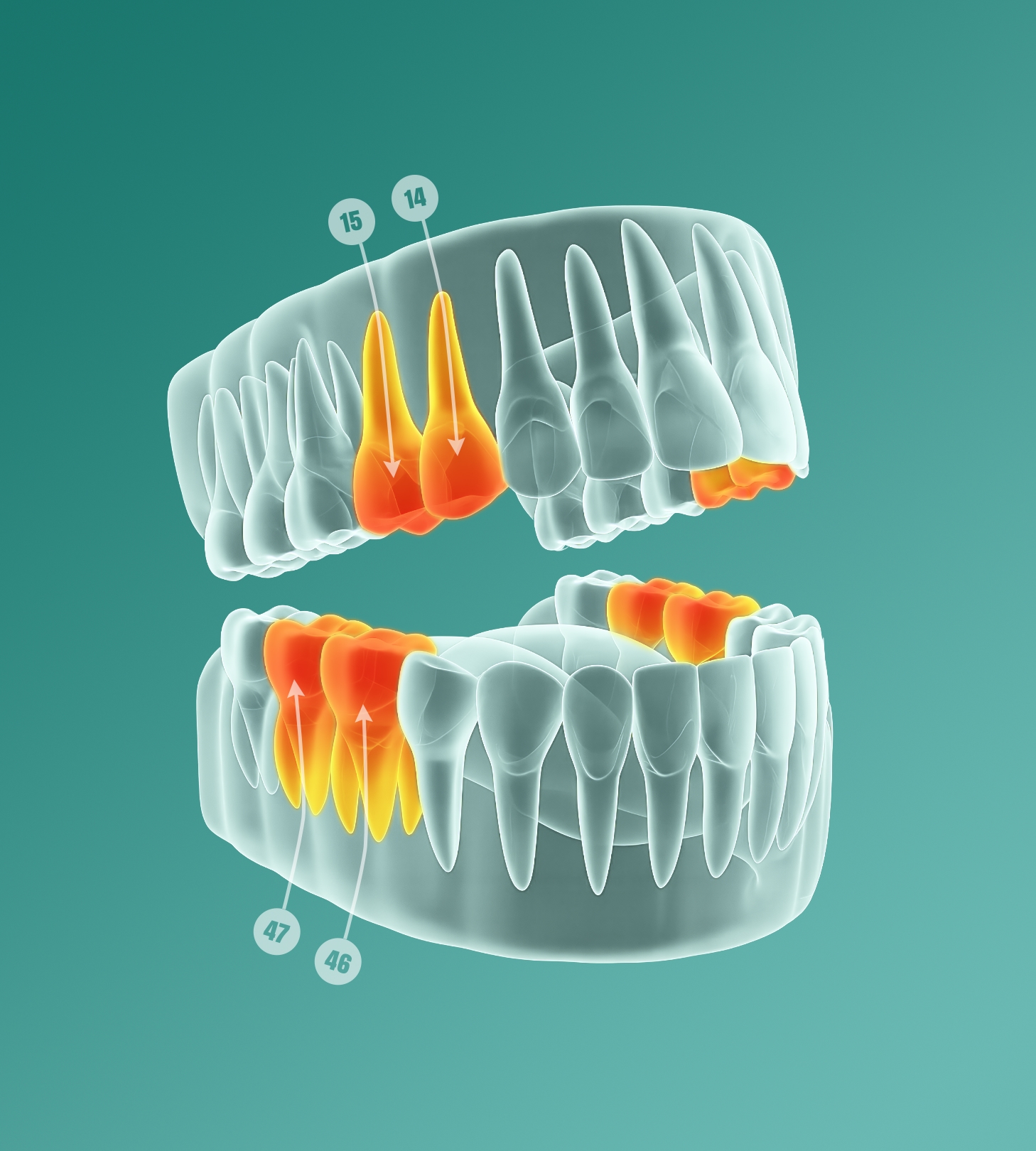
6. The Oral Connection
Interestingly, chronic inflammation or tension in the jaw can sometimes radiate toward the neck and shoulders. Jaw clenching or misaligned bite patterns may contribute to shoulder and neck tension — another reminder of how connected our body systems are.