Skip to main content Skip to footer

Stomach & Pancreas

The Digestive Core

KNOWLEDGE:

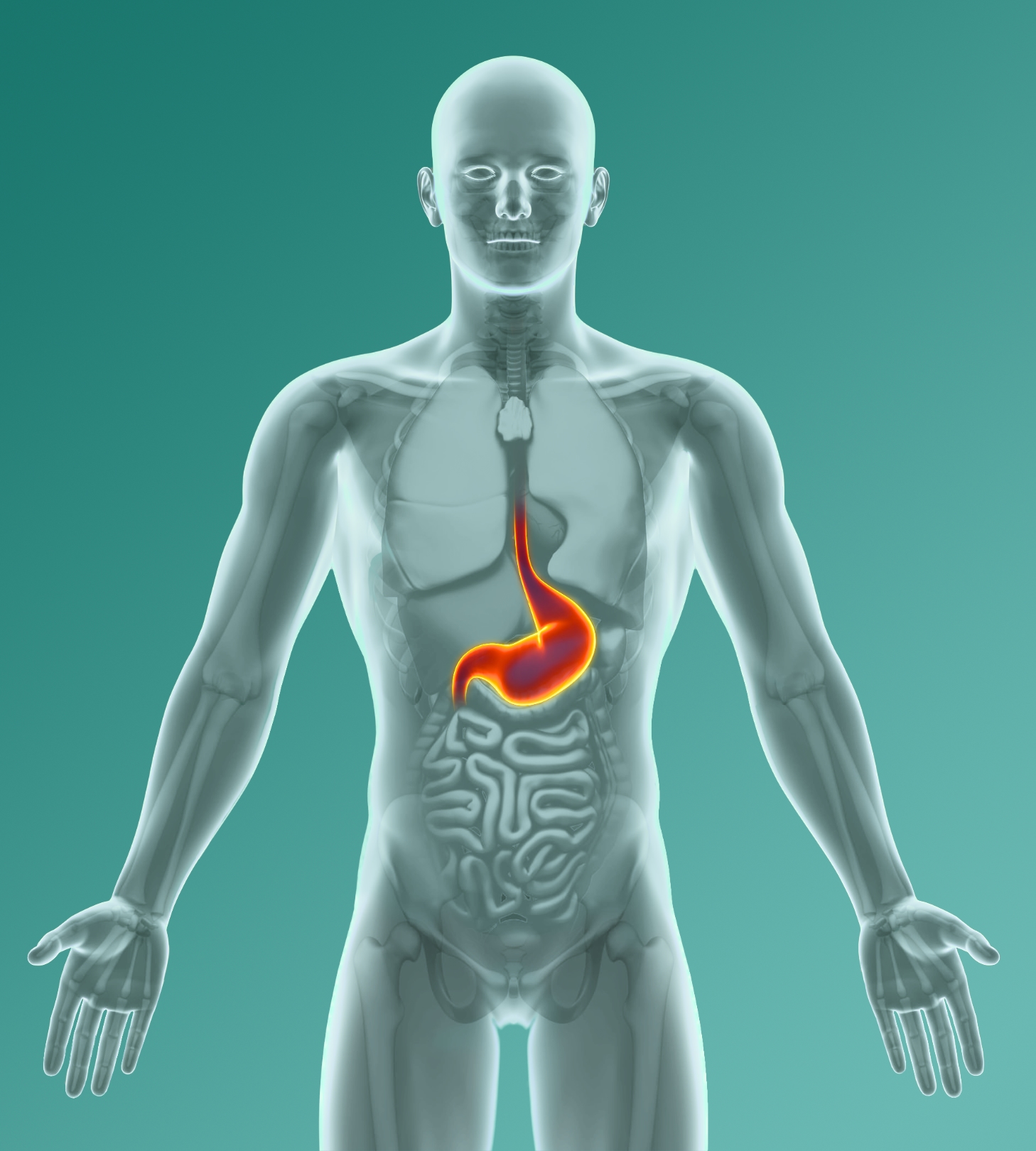
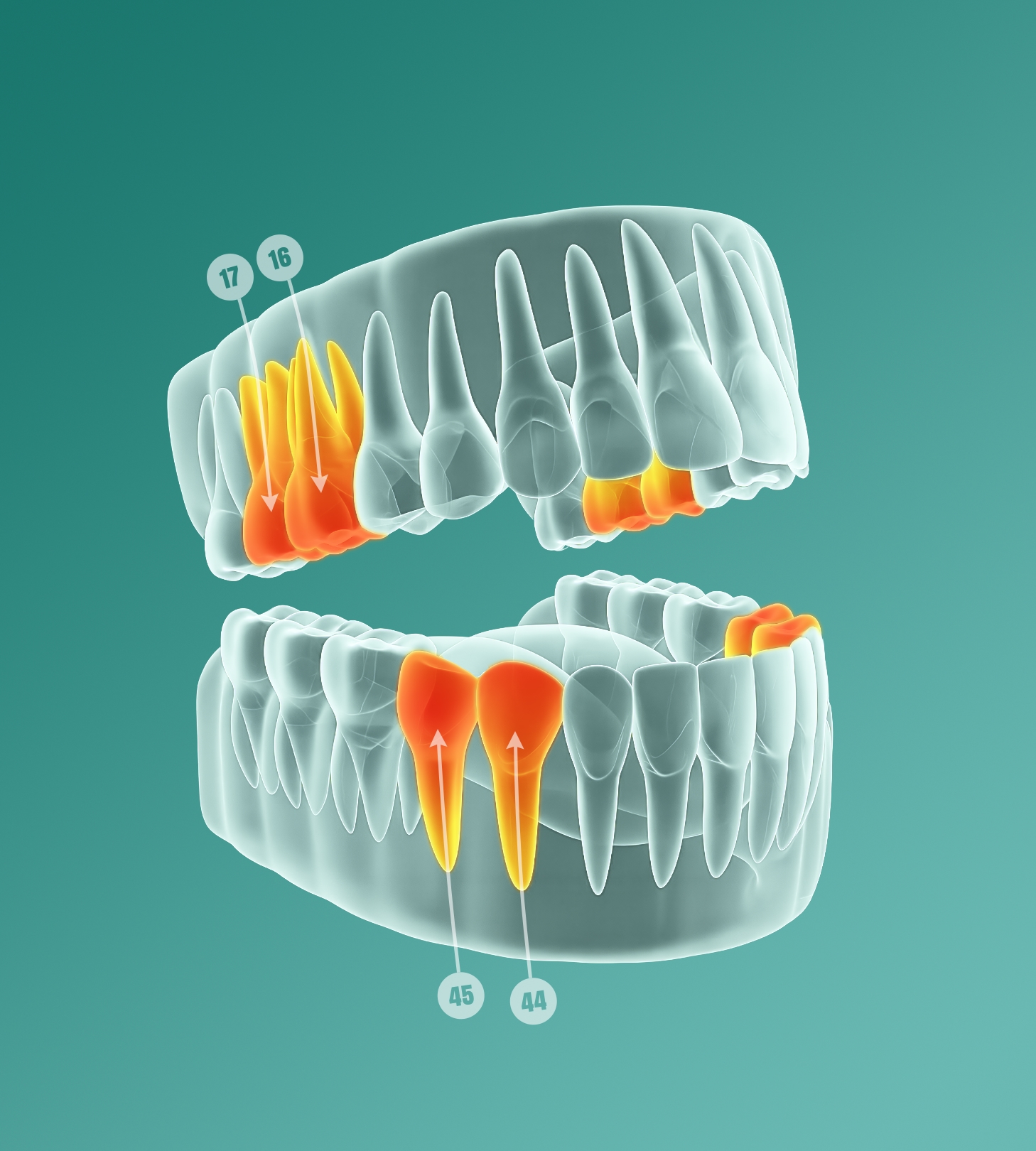
The stomach and pancreas form the digestive core — breaking down food, regulating blood sugar, and providing energy. In the meridian system, they are connected with molars (teeth 16, 17, 26, 27, 34, 35, 44, 45). Imbalances or hidden infections in these teeth may disrupt digestion, nutrient absorption, and metabolic balance.

Meridian charts used in holistic and biological dentistry map the upper molars and certain premolars to the stomach and pancreas meridians, suggesting that chronic disturbance in these teeth may resonate with digestive and metabolic organs. (Source)

Swiss Biohealth and similar clinics describe that disharmonies in upper molars and lower premolars are also assigned relationships to structures such as the knee, thyroid gland, chest and Achilles tendon, reflecting the wider network of the stomach–pancreas meridian in this model. (Source)

Meridian tooth charts are based on acupuncture and traditional Chinese medicine; they propose energetic links between specific teeth and organs such as the stomach, pancreas, thyroid and joints, but they are not part of conventional biomedical diagnostics. (Source)

Responsible bio dentistry uses these charts as a complementary lens alongside X‑rays, CBCT, lab work and medical evaluation, so decisions about knee pain, thyroid disease or pancreatitis still rely on standard investigations while oral sources of chronic inflammation are addressed objectively. (Source)

Energetic tooth charts note that upper first molars and some premolars are associated with the stomach and pancreas and that long‑standing infections, heavy-metal restorations or root-treated teeth here may “interfere” with these organ systems in sensitive individuals. (Source)

At the same time, mainstream research shows that oral–gut microbiome dysbiosis and chronic periodontal inflammation can worsen systemic metabolic control and insulin resistance, underscoring the value of stabilising oral health in patients with prediabetes or diabetes. (Source)

Recent reviews highlight an “oral–gut microbiota axis”, showing that oral bacteria such as Porphyromonas gingivalis can translocate to the intestine, alter gut microbiota, and contribute to systemic metabolic and inflammatory disorders. (Source)

Nature Reviews analyses similarly describe that oral dysbiosis and gut imbalance are linked to type 2 diabetes and cardiometabolic disease, making rigorous periodontal care and low-toxicity restorative strategies relevant for patients with stomach or pancreatic vulnerability. (Source)

Detailed meridian tooth charts list associations between stomach- and pancreas-related teeth and joints such as the knee and ankle, endocrine glands like the thyroid, and soft-tissue structures including the Achilles tendon. (Source)

Clinically, some biological dentists therefore pay special attention to upper molars and lower premolars in patients with long-standing musculoskeletal or thyroid issues, checking for hidden infections, root fillings, occlusal overload or metal restorations while encouraging parallel assessment by orthopaedic and endocrine specialists. (Source)

Holistic clinics report that amalgam and certain metal alloys on meridian-critical teeth can create galvanic currents or “energetic interference”, so they frequently recommend zirconia implants and ceramic restorations in the upper molar and premolar zones. (Source)

Swiss Biohealth and other biological centres emphasise that zirconia is highly biocompatible and corrosion-resistant and tends to accumulate less plaque, which fits a strategy of reducing chronic inflammatory and toxic load for patients with digestive or metabolic concerns. (Source)

Biological dentists often combine detailed history-taking on digestion, blood sugar, thyroid and joint issues with clinical examination, imaging (including 3D scans where indicated) and evaluation of existing root canals, crowns, bridges or implants in the upper molars and lower premolars. (Source)

For patients with documented metabolic disease or autoimmune thyroiditis, this is ideally coordinated with internists or endocrinologists, linking dental decontamination, metal-free rehabilitation and periodontal therapy with nutrition, microbiome and lifestyle interventions. (Source)

Stomach

  • How it feels: Acid reflux, stomach cramps, bloating, heaviness after meals.

  • Typical issues: Gastritis, ulcers, acid reflux disease, indigestion.

  • How common: Around ~20% of adults experience regular acid reflux.

Pancreas

  • How it feels: Sugar cravings, unstable blood sugar, afternoon energy crashes, fatigue.

  • Typical issues: Pancreatitis, diabetes, metabolic disorders.

  • How common: ~10% of adults worldwide live with diabetes.

The Teeth Connection

Chronic stress, inflammation, or unresolved dental issues in the molars can interfere with the stomach and pancreas meridians. These blockages may contribute to digestive upset, bloating, or blood sugar fluctuations. Restoring balance in these teeth helps support smoother digestion and stable energy.

Takeaway: Keeping molars free from chronic inflammation may ease digestive strain, support nutrient absorption, and stabilize blood sugar levels.

How to Stop Stomach Pain

Stomach pain can range from mild discomfort to sharp cramps — and it can come from many sources: digestion issues, stress, inflammation, or even energetic imbalance. Understanding what’s behind your symptoms helps you find fast and lasting relief.

1. Rest and Gentle Warmth

Start simple: rest your stomach. Avoid heavy meals and choose soothing options like herbal teas (chamomile, ginger, or peppermint). A warm compress or hot water bottle placed on your abdomen can relax muscles and ease cramping naturally.

2. Watch What You Eat

Fatty, fried, or spicy foods often trigger irritation. Choose light, easily digestible meals — steamed vegetables, rice, and soups. Eat slowly and avoid lying down immediately after eating to help digestion work smoothly.

3. Stay Hydrated

Mild dehydration can make stomach discomfort worse. Sip warm water or mild electrolyte drinks throughout the day — but avoid ice-cold beverages that can tighten digestive muscles.

4. Manage Stress and Breathing

Your stomach reacts strongly to emotional tension. Deep, calm breathing and short walks after meals can help reduce bloating and cramping. In holistic medicine, stress is one of the most common roots of stomach pain because it disrupts digestive rhythm.

5. The Teeth–Stomach Meridian Connection

Inflammation, infection, or root canal issues in these teeth may disturb stomach energy flow, sometimes leading to digestive discomfort. Likewise, chronic digestive stress can reflect back as tooth sensitivity or gum tension in these same regions. Maintaining strong dental health and balance in the jaw helps support smooth digestion and gut harmony.