Skip to main content Skip to footer

Foot & Ankle Pain

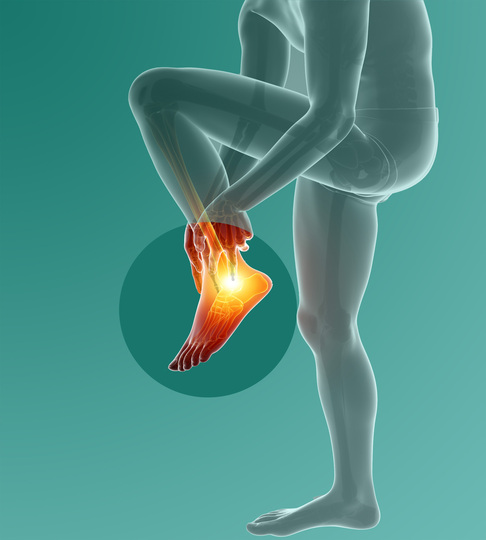
Foot and ankle pain can affect every step you take, from the moment you get out of bed to the end of the day. While injuries and overuse are common causes, dental health may also influence these pains through the body’s meridian pathways.

How it feels:

  • Heel or arch pain, especially with first steps in the morning
  • Ankle pain or swelling after a twist or sprain
  • Aching or stiffness after long periods on your feet

Specialist centres in Germany and Switzerland frequently see conditions such as hallux valgus, hammer and claw toes, flatfoot, ankle arthritis, heel pain and Achilles tendon problems in active adults.

High training loads, long days on the move in formal footwear and previous sprains all increase stress on the foot‑ankle complex, making overuse, tendon and joint problems particularly common in executives and elite athletes.

Short‑lived soreness after an unusually intense day is common, but persistent pain when walking, swelling, instability, night pain or locking and catching symptoms warrant imaging and specialist review.

Early diagnosis in certified foot and ankle centres helps ensure that deformities or cartilage damage can be treated with optimised footwear, physiotherapy or minimally invasive procedures before joint damage becomes advanced.

Conservative care usually combines load management, targeted physiotherapy, shoe and insole optimisation and, where appropriate, shock‑wave or injection therapies before surgery is considered.

High‑end clinics for international patients often integrate gait and pressure‑plate analysis with personalised rehab plans that can be coordinated around travel schedules and competition or business calendars.

Modern reviews show that periodontitis drives low‑grade systemic inflammation and is linked to several cardiometabolic and musculoskeletal diseases through shared inflammatory pathways.

For patients with widespread joint pain or inflammatory arthritis, optimising gum health and reducing oral inflammatory burden can therefore be an important pillar alongside orthopaedic and rheumatologic treatment for foot and ankle problems.

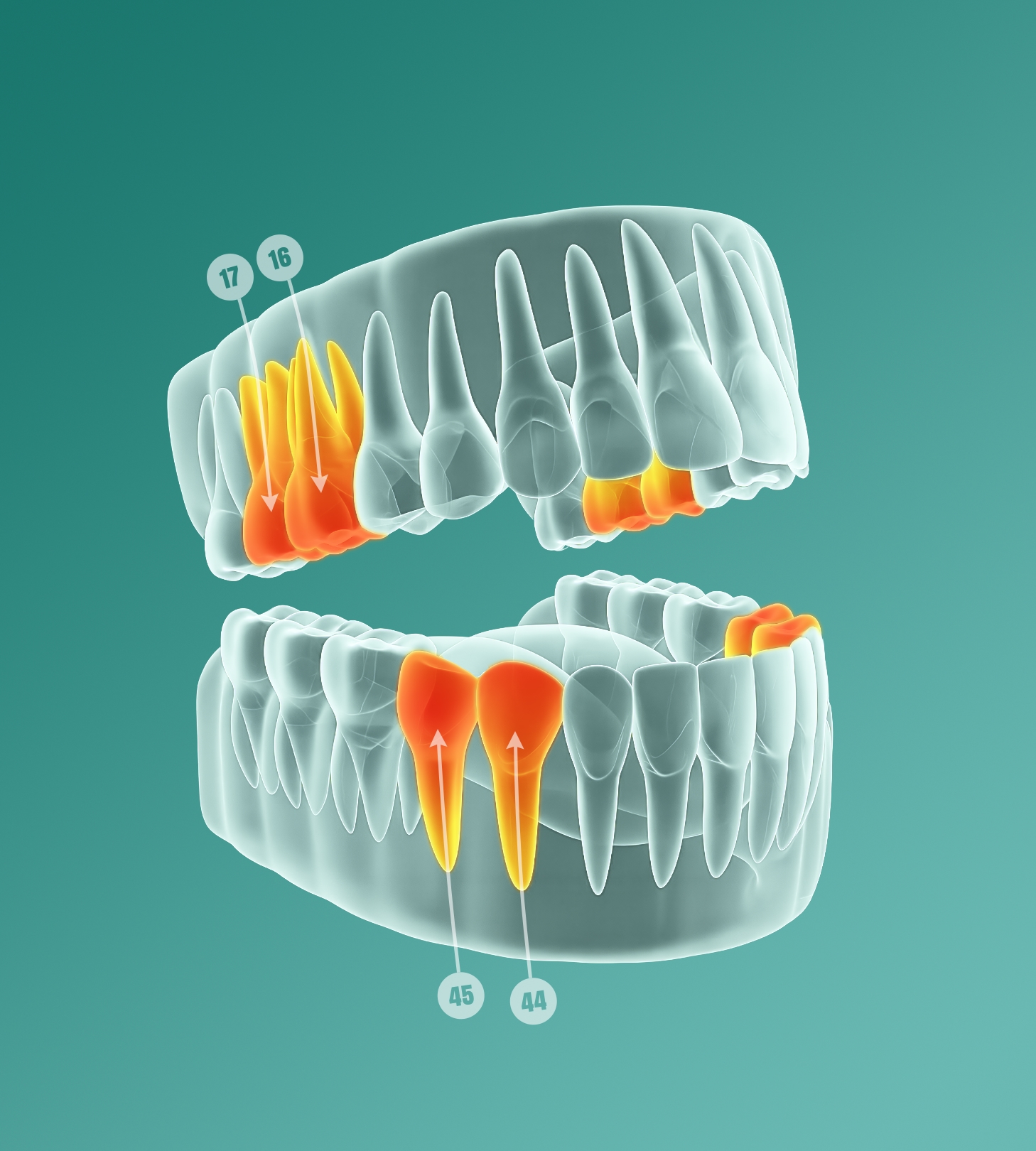
Tooth‑organ meridian charts used in biological dentistry map some premolars and molars, and in some concepts canines, to meridians associated with hip, knee, ankle and foot regions.

These meridian connections originate from traditional Chinese medicine, so they are used as a complementary orientation tool; decisions about tendon or joint surgery still rely on imaging, clinical examination and specialist opinion.

Biological dentists emphasise safe protocols for amalgam removal and frequently recommend metal‑free solutions such as zirconia implants and ceramic restorations to minimise galvanic effects and corrosion.

While this does not replace orthopaedic treatment, many high‑performing patients choose such “bio health” dental strategies to lower systemic inflammatory and toxic load as part of an integrated plan for joint health, including feet and ankles.

Typical causes: 

  • Plantar fasciitis

  • Ankle sprains

  • Achilles tendon problems

  • Flat or high arches

  • Unsupportive footwear or overuse

How common:

  • Foot pain affects ~17–30% of adults
  • Ankle pain affects ~9–15% of adults

The Teeth Connection

Certain teeth are linked to the foot and ankle through meridian pathways. Problems such as hidden infections, gum disease, or jaw misalignment can sometimes influence foot and ankle pain or make recovery slower.

Takeaway: If foot or ankle pain keeps returning, exploring the dental connection could be a surprising step toward lasting relief.


What to Do for Ankle and Foot Pain

Your ankles and feet carry your entire body weight — every step, jump, and turn depends on them. Pain in these areas can stem from overuse, poor footwear, or misalignment higher up the body. Fortunately, a few simple habits can bring relief and prevent future issues.

1. Rest and Reduce Strain

If pain comes on suddenly, start with rest and elevation. Give your feet time to recover, and avoid activities that put pressure on the area, such as running or jumping.

2. Apply Ice or Warmth

Use ice packs for swelling or after long standing periods. Once the inflammation eases, switch to gentle warmth to relax tight muscles and improve circulation.

3. Stretch and Mobilize

Tight calves or Achilles tendons can contribute to foot and ankle pain. Try heel drops on a step, ankle circles, or rolling your foot over a tennis ball to release tension and restore mobility.

4. Strengthen Supporting Muscles

Simple moves like toe curls, towel scrunches, or balancing on one leg help build stability. Strong foot and ankle muscles protect joints and improve balance.

5. Choose the Right Footwear

Worn-out or unsupportive shoes are a leading cause of foot discomfort. Look for shock-absorbing soles and arch support, especially if you walk or stand for long hours. Replace shoes regularly.

6. The Hidden Connection to Teeth

Believe it or not, imbalances in the jaw or bite can affect your overall body alignment — even down to your feet. Chronic tension in the jaw can alter posture through muscular compensation, changing the way weight is distributed when you walk or stand. Maintaining dental balance can support proper posture from head to toe.