Skip to main content Skip to footer

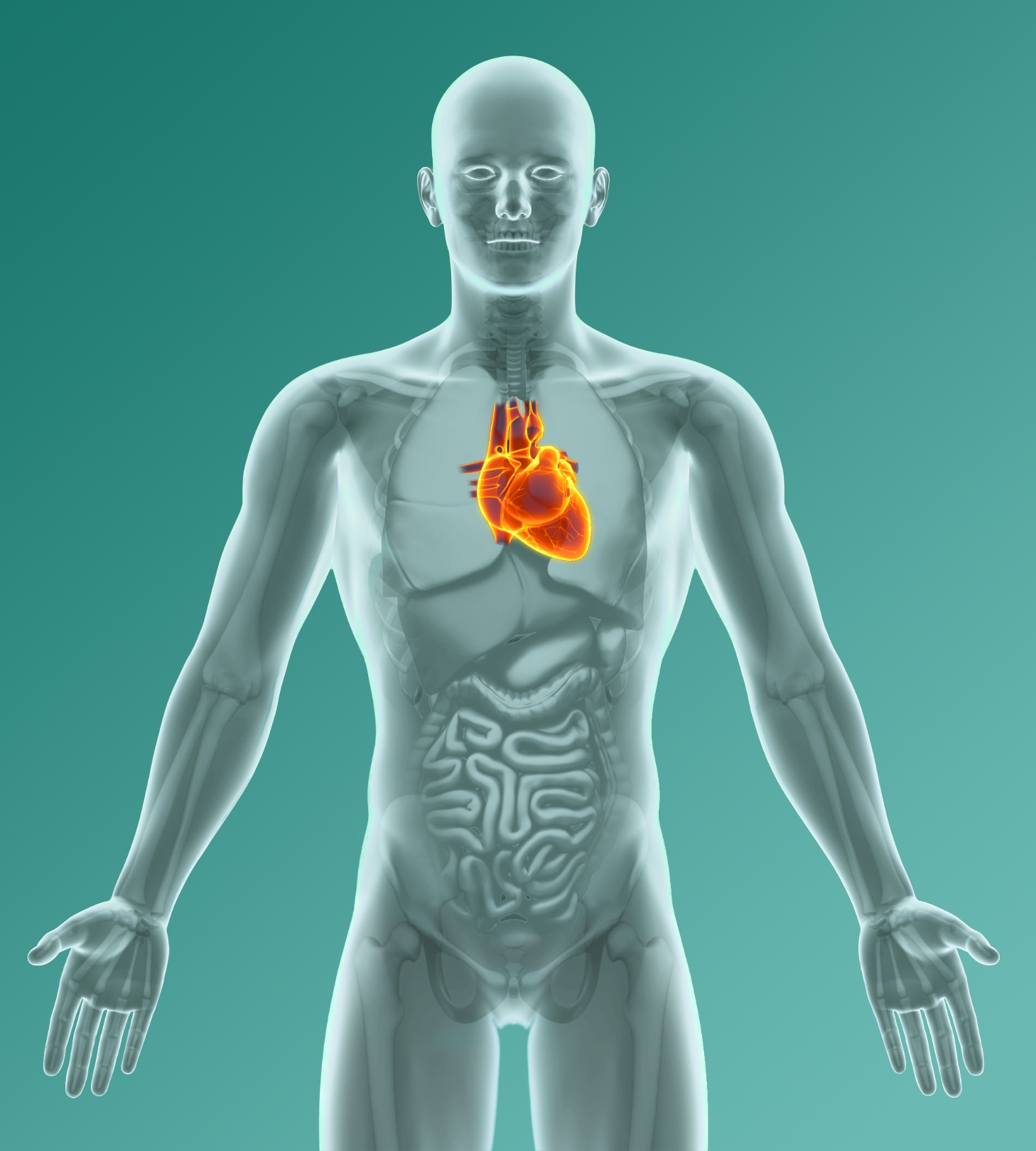
Heart

More Than Just a Pump

KNOWLEDGE:

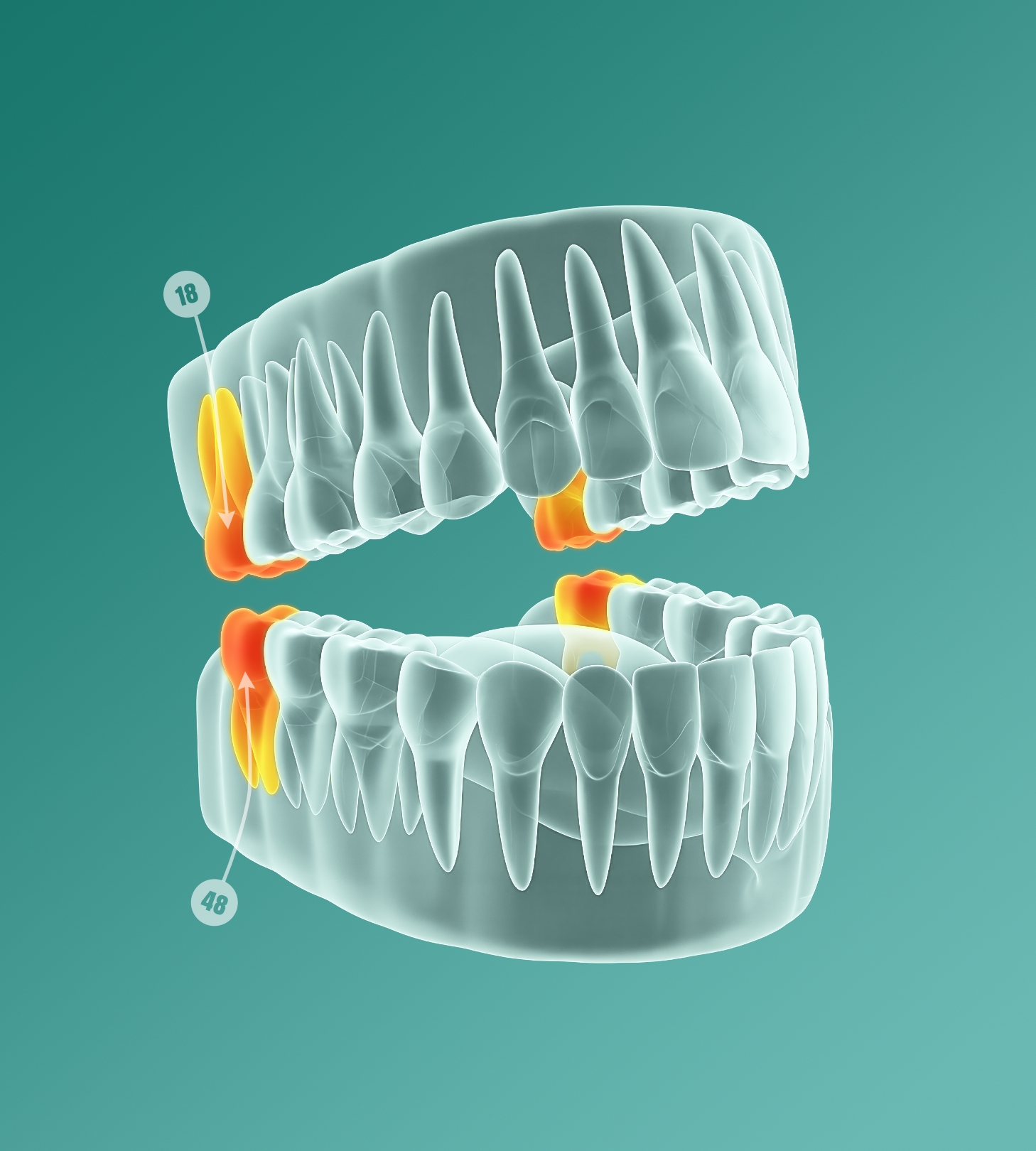
The heart is strongly connected to the wisdom teeth (18, 28, 38, 48) through the meridian system. Stress or disturbances in these teeth may send signals that affect heart rhythm, circulation, or the small intestine.

Meridian tooth charts used in holistic and biological dentistry place the upper and lower wisdom teeth on meridians that are associated with the heart, central nervous system, liver and intestines. (Source)

Swiss Biohealth explicitly notes that disharmonies in the area of the wisdom teeth can affect the heart and vascular system and may be linked with symptoms such as allergies, chronic fatigue, brain fog and anxiety in this model. (Source)

Teeth–organ meridian charts originate from acupuncture and traditional Chinese medicine and describe energetic connections, but they are not part of mainstream biomedical diagnostic frameworks. (Source)

Bio dentists who work with meridians generally present them as a complementary lens: they still rely on standard cardiology investigations for heart and vascular disease, while treating oral foci that may act as chronic inflammatory or energetic stressors. (Source)

Recent reviews conclude that periodontitis is associated with higher rates of cardiovascular disease, with proposed mechanisms including systemic inflammation, oxidative stress and oral microbiome dysbiosis affecting the vascular system. (Source)

Consensus articles also highlight that periodontal therapy can improve markers such as endothelial function and may lower blood pressure in hypertensive patients, suggesting that better oral health can contribute to cardiovascular risk reduction. (Source)

Meridian charts describe wisdom teeth as connected to the heart and blood circulation and list potential relationships with angina-like symptoms, blood viscosity changes and cardiovascular disease. (Source)

In practice, bio dentists assess wisdom-tooth regions for chronic infections, cavitations, residual periodontal pockets or metal restorations that could maintain low-grade inflammation, and they coordinate with cardiologists when patients also have heart symptoms or risk factors. (Source)

Some meridian charts and holistic commentaries report associations between disturbed wisdom teeth and systemic complaints such as eczema, fatigue, headaches, mood changes and cardiovascular imbalance, reflecting the proposed reach of the meridian. (Source)

Swiss Biohealth similarly notes that disharmonies around wisdom teeth may be linked with symptoms like allergies, chronic fatigue, brain fog and anxiety, although these connections are considered part of a holistic concept rather than proven causal relationships. (Source)

Because periodontitis and oral infections can add to systemic inflammatory and thrombotic burden, biological and conventional clinics pay close attention to infection control, atraumatic surgery and detox-friendly materials when operating near wisdom teeth. (Source)

Patients with known cardiovascular disease are often managed in coordination with cardiologists, with careful planning around anticoagulation, antibiotic prophylaxis where indicated and post-operative monitoring of systemic responses. (Source)

The Swiss Biohealth Concept highlights metal-free zirconia implants as “neutral” on meridians and less prone to corrosion, which is intended to reduce galvanic effects and chronic inflammatory triggers that might burden the cardiovascular system. (Source)

Biological clinics see this as part of a broader strategy that combines toxin minimisation, periodontal optimisation and systemic lifestyle measures to support heart and vascular health in susceptible patients. (Source)

  • How it feels: Chest tightness, palpitations, cold hands and feet, shortness of breath, anxiety.

  • Typical issues: Arrhythmia, high blood pressure, circulatory problems, chest pain.

  • How common: Cardiovascular disease is the leading cause of death worldwide, affecting ~30% of adults globally.

The Teeth Connection

The wisdom teeth (18, 28, 38, 48) share energetic pathways with the heart and small intestine. When these teeth are compromised — for example, through chronic infections, impacted roots, or poorly healed extraction sites — they can create persistent stress signals in the body. These signals may interfere with normal heart rhythm, circulation, and even contribute to feelings of chest tightness or fatigue. Addressing hidden dental issues in the wisdom teeth area is therefore an important step in supporting overall cardiovascular health.

Takeaway: Healthy wisdom teeth support clear meridian pathways, which may ease stress on the heart, improve circulation, and reduce hidden triggers for chest discomfort.

How to Treat Heart Pain

Heart pain — often described as pressure, tightness, or discomfort in the chest — should never be ignored. While mild chest discomfort can sometimes come from stress or muscle tension, true heart pain (angina or cardiac-related pain) can signal something serious. Knowing what to do can save your life.

1. Recognize the Warning Signs

Seek immediate medical help if you feel:

  • Pressure or squeezing pain in the center or left side of your chest

  • Pain spreading to the arm, jaw, neck, back, or stomach

  • Shortness of breath, dizziness, nausea, or sweating

If you suspect a heart attack, call emergency services right away (144 in Switzerland, 112 in the EU) — do not try to drive yourself.

2. Stop and Rest

If your chest pain occurs during exertion or stress, stop immediately and sit down calmly. Take slow, deep breaths. If you’ve been prescribed nitroglycerin, take it as directed.

3. Avoid Self-Diagnosis

Heart pain can sometimes mimic heartburn, muscle tension, or anxiety, but only a medical evaluation (ECG, blood tests, or imaging) can confirm the cause. Don’t take chances — better one unnecessary check than a missed emergency.

4. Manage Everyday Risk Factors

To protect your heart in the long term:

  • Eat a Mediterranean-style diet rich in vegetables, olive oil, and fish

  • Exercise moderately (e.g., 30 minutes of walking a day)

  • Quit smoking and limit alcohol

  • Monitor your blood pressure, cholesterol, and blood sugar regularly

5. The Mouth–Heart Connection and Tooth Meridian

Research shows that gum disease (periodontitis) can increase the risk of heart problems by promoting chronic inflammation in the body. But there’s also an energetic link:
According to the tooth–organ meridian system, the upper and lower canine teeth are connected to the heart and circulatory system. Inflammation, infection, or imbalance in these teeth may influence the heart’s energy flow and overall vitality. Maintaining excellent oral hygiene, addressing root canal issues, and balancing the jaw can therefore support heart health — both physically and energetically.

6. Manage Stress

Emotional stress triggers the release of stress hormones that can tighten arteries and raise blood pressure. Try deep breathing, mindfulness, yoga, or walks in nature to keep your nervous system balanced.