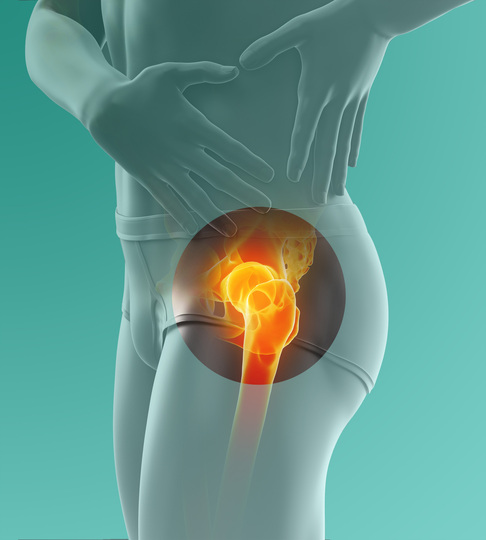
Hip pain can come from sitting too much, overtraining, or simply from tight muscles that limit movement. Because your hips are central to almost every motion — walking, standing, even sleeping — keeping them flexible and balanced is key to long-term comfort.
1. Keep Moving — Gently
Long periods of sitting can make hip muscles stiff. Try gentle walking, light yoga, or hip circles to maintain mobility. Movement helps lubricate the joint and ease discomfort.
2. Stretch and Strengthen
Focus on hip flexor and glute stretches, like lunges, pigeon pose, or seated figure-four stretches. Combine them with strength exercises such as bridges and side leg raises to stabilize the hips and reduce pressure.
3. Apply Heat or Cold
Use ice after intense activity or if there’s inflammation. When stiffness is the main issue, warm compresses or warm baths can relax the surrounding muscles and improve circulation.
4. Support Your Posture
Misalignment in the lower back or pelvis can put stress on your hips. Try to sit with both feet flat, avoid crossing your legs for long periods, and use a chair that supports your spine’s natural curve.
5. Choose Supportive Footwear
Your hips absorb every step you take. Shoes with poor cushioning or uneven soles can throw off your body’s balance. Replace worn shoes and consider insoles for better alignment.
6. The Dental Link
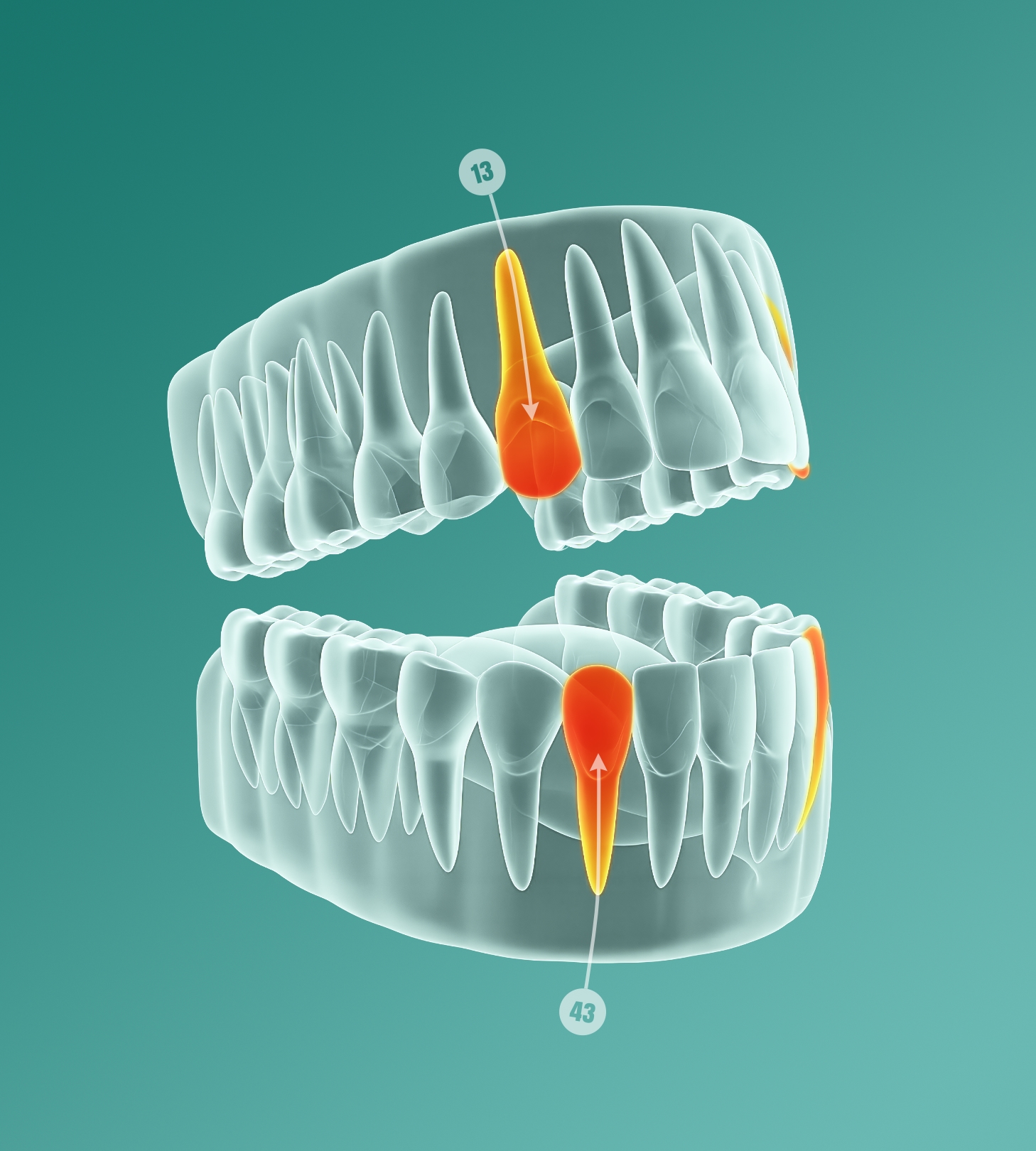
Surprisingly, jaw clenching or bite misalignment can cause muscular tension patterns that travel down the body — sometimes reaching the hips. The body compensates subtly, but over time, this can influence posture and muscle tone. Maintaining a relaxed jaw and balanced bite supports your whole kinetic chain.