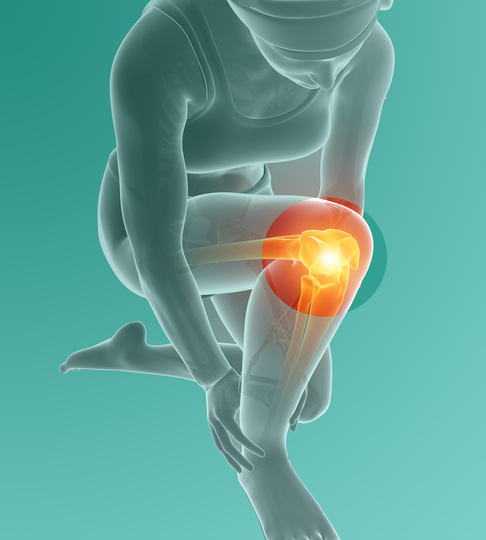
Knee pain is one of the most common joint issues, affecting people of all ages — from athletes to office workers. The good news: in most cases, you can relieve or manage it with a mix of smart movement, self-care, and preventive habits.
1. Start with Rest and Gentle Movement
If your knee is swollen or sore after activity, begin with short rest periods and gentle range-of-motion exercises. Try light stretching or cycling at a low intensity. Keeping your knee completely still for too long can actually make stiffness worse.
2. Apply Heat or Cold
Use a cold pack during the first 24–48 hours to reduce inflammation. Once the swelling goes down, switch to gentle heat, such as a warm compress or bath, to relax tight muscles and improve blood flow.
3. Strengthen Supporting Muscles
Strong thigh and hip muscles take pressure off your knees. Focus on exercises like wall-sits, mini-squats, or glute bridges — always pain-free and with proper alignment.
4. Check Your Posture and Footwear
Poor posture or worn-out shoes can affect your knee alignment. Replace shoes regularly and consider orthotic support if you walk or stand for long periods.
5. Watch Your Weight
Every extra kilo puts significant stress on your knee joints. Even small, gradual weight loss can reduce pain and improve joint function.
6. Consider the Mouth-Body Connection
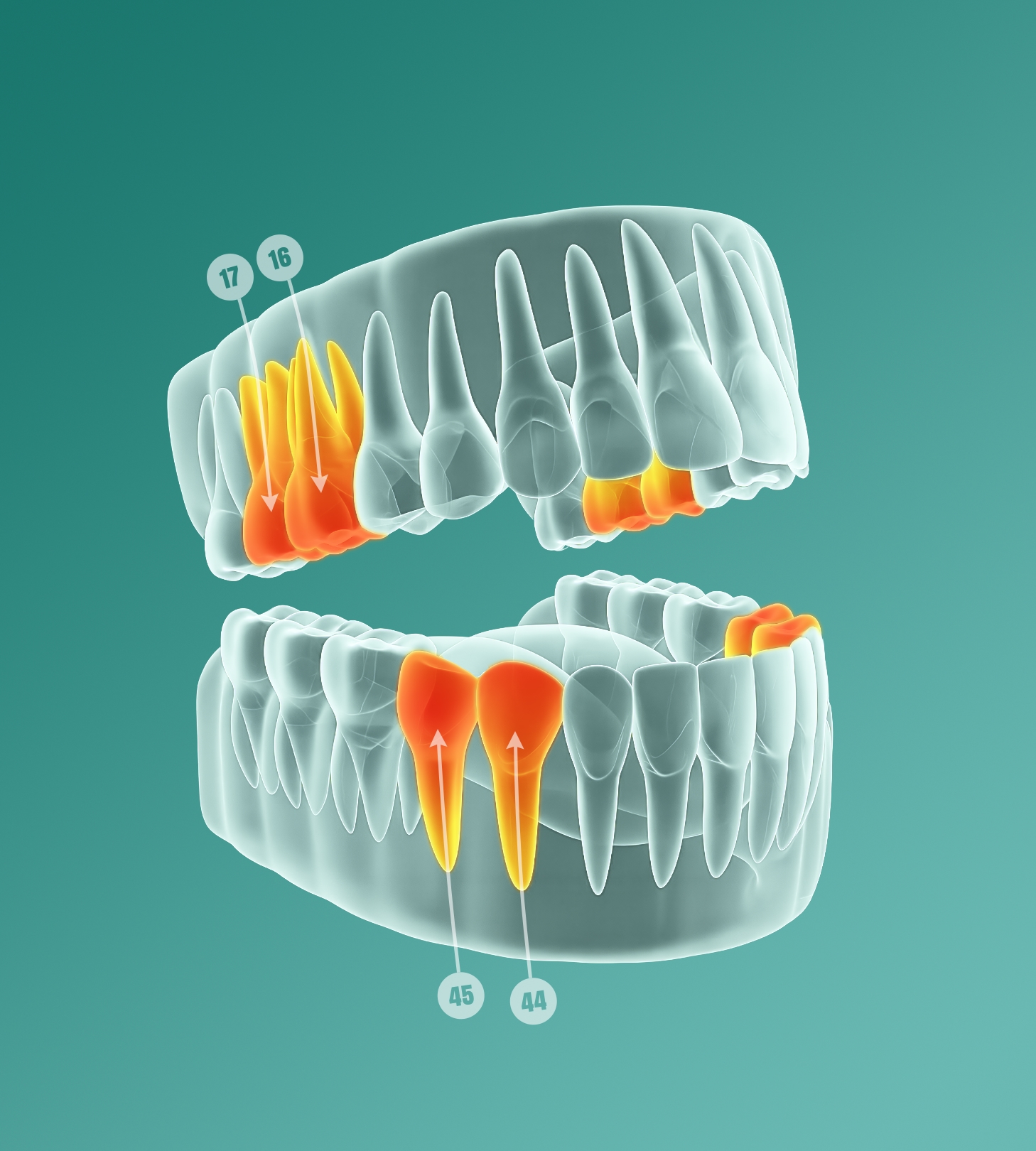
Few people know that chronic inflammation in the mouth — for example, from untreated gum issues — can contribute to joint inflammation. Maintaining excellent oral hygiene and addressing dental infections promptly may support overall joint health.