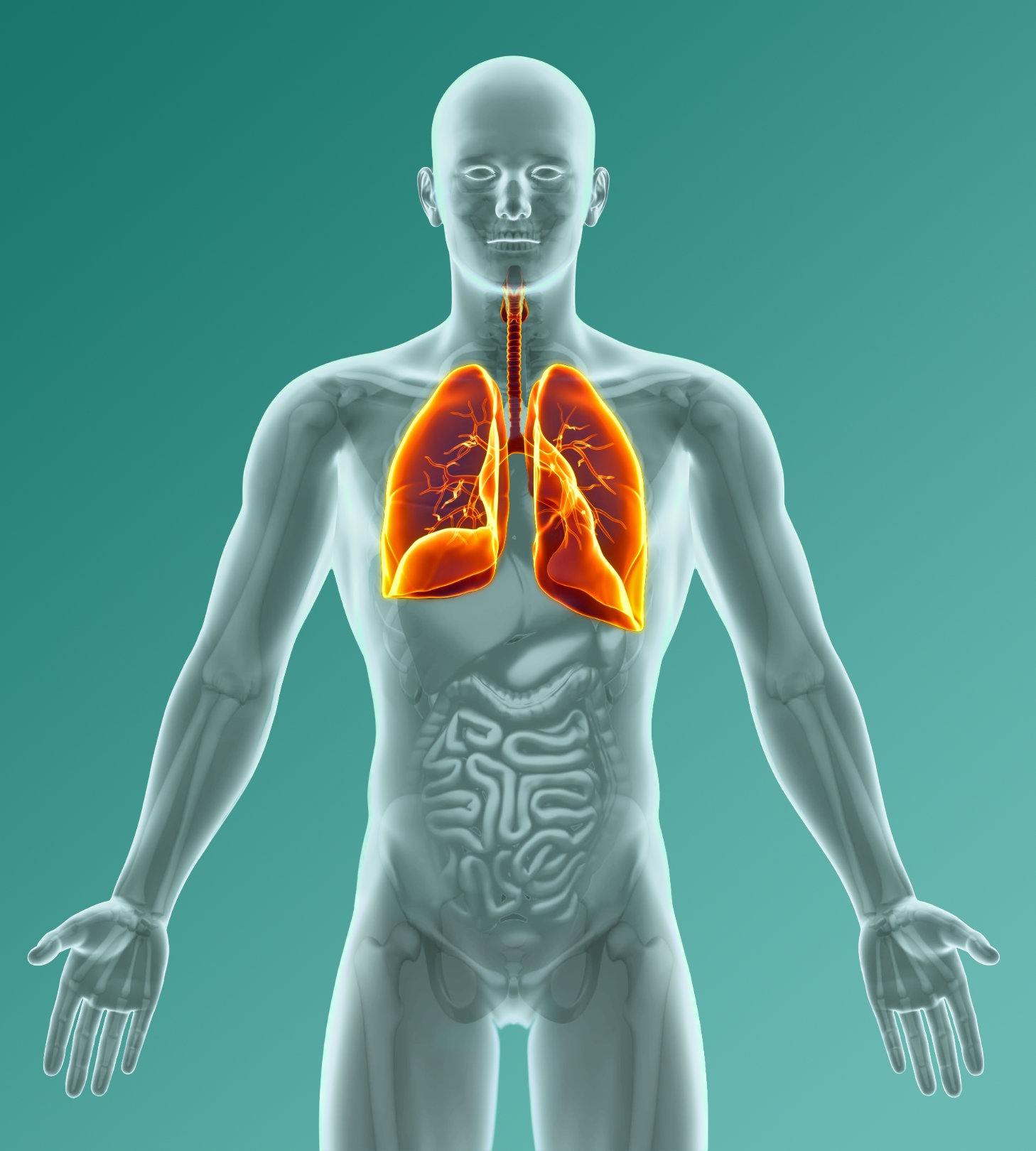
Lung pain can have many causes — from mild muscle tension around the chest to more serious conditions affecting the lungs themselves. Understanding what’s behind the discomfort helps you take the right steps toward relief and better breathing.
1. Muscular or Postural Strain
Sometimes what feels like “lung pain” actually comes from the muscles and ribs around your chest. Poor posture, prolonged sitting, or stress-induced shallow breathing can tighten the chest muscles and cause soreness when you inhale deeply. Gentle stretching, good posture, and deep breathing exercises can ease this tension.
2. Respiratory Infections or Inflammation
Coughing, viral infections, or bronchitis can irritate the lung tissue and airways, leading to dull or sharp pain. Staying hydrated, resting, and avoiding smoke or pollutants supports recovery. If pain is accompanied by fever, shortness of breath, or persistent coughing, a medical check-up is essential.
3. Blocked Energy Flow and the Role of Breathing
In holistic medicine, the lungs are seen as organs that govern energy, vitality, and emotional release. Shallow or restricted breathing can lead to fatigue and a sense of tightness in the chest. Simple breathwork — like slow inhalation through the nose and exhalation through the mouth — helps restore balance and relieve tension.
4. Emotional Stress and Grief
The lungs are often described as the body’s “emotional filter.” In traditional medicine, sadness, grief, or suppressed emotions can weaken lung energy, sometimes manifesting as tightness or heaviness in the chest. Mindful breathing, emotional expression, and calm reflection can support healing on this level.
5. The Teeth–Lung Meridian Connection
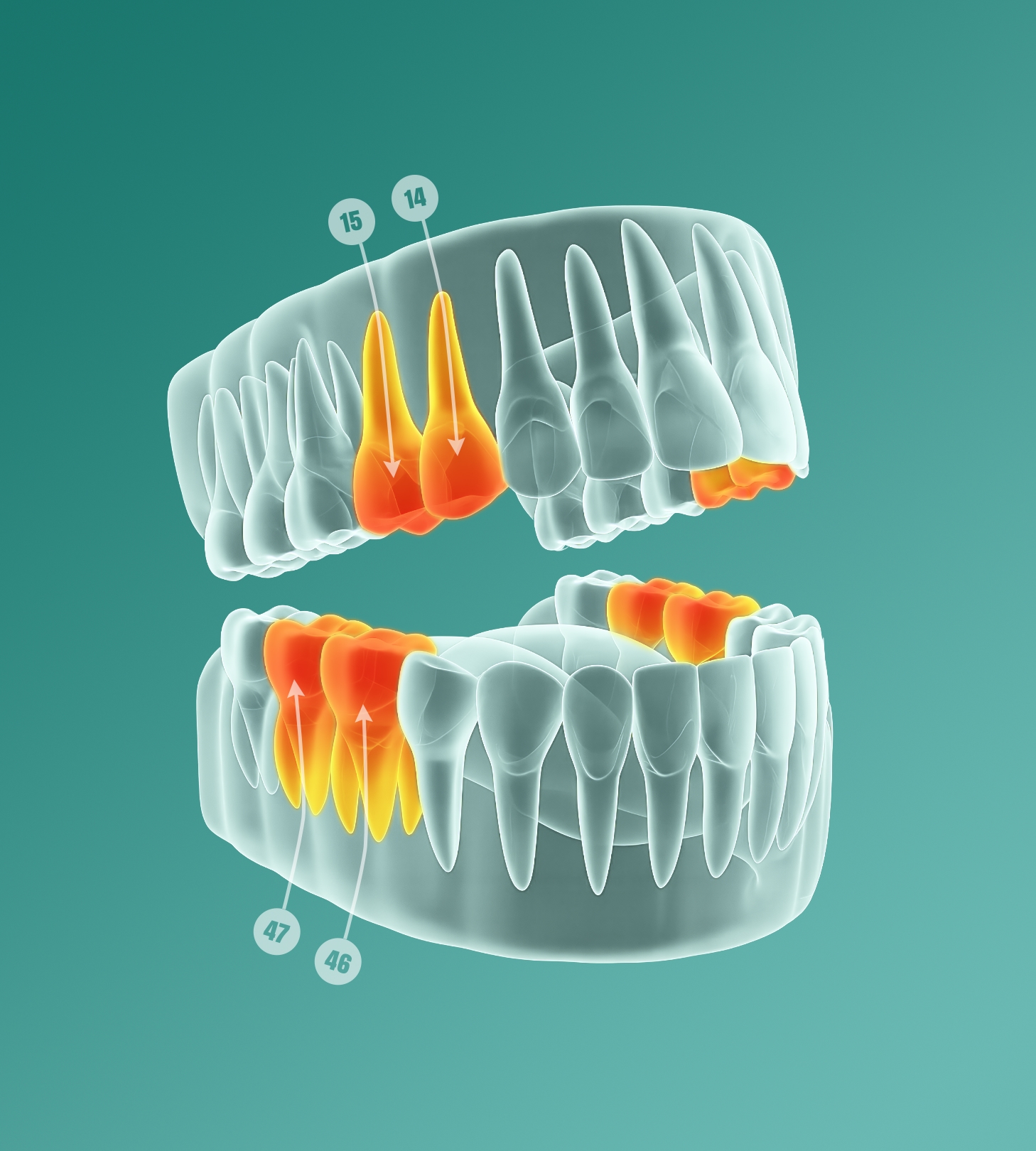
According to the tooth–organ meridian system, the front upper and lower incisors (teeth 7–10 and 23–26) are connected to the lungs and bronchial system. Chronic dental issues, root canal infections, or inflammation in these teeth may affect the lung meridian’s energy flow. Similarly, long-term breathing issues can sometimes reflect back as sensitivity in these same teeth. Maintaining good oral health, treating gum inflammation, and avoiding chronic jaw tension can therefore help support clear and balanced breathing.