Neck pain is often a result of everyday stress, tension, or posture habits — but it can also be a signal from deeper imbalances in the body. Understanding and correcting these underlying causes is the key to lasting relief.
1. Support Healthy Posture
Keep your head balanced above your shoulders and avoid leaning forward toward your screen. Small posture corrections throughout the day reduce strain on neck muscles and joints.
2. Stay Active and Stretch
Gentle neck stretches, shoulder rolls, and regular breaks during computer work improve circulation and flexibility. Even light movement can prevent stiffness from settling in.
3. Strengthen Core and Upper Back
A strong upper back supports your neck. Include simple exercises such as rows, wall angels, or resistance band pulls to improve posture and reduce tension.
4. Ease Stress and Muscle Tension
Neck pain is often linked to emotional stress. Breathing exercises, meditation, or mindfulness can help your muscles relax and restore balance between body and mind.
5. Support Anti-Inflammatory Healing
Eat an anti-inflammatory diet rich in omega-3 fatty acids, fresh vegetables, and antioxidants. Hydration and adequate sleep also play a vital role in muscle recovery.
6. Check Your Jaw Alignment
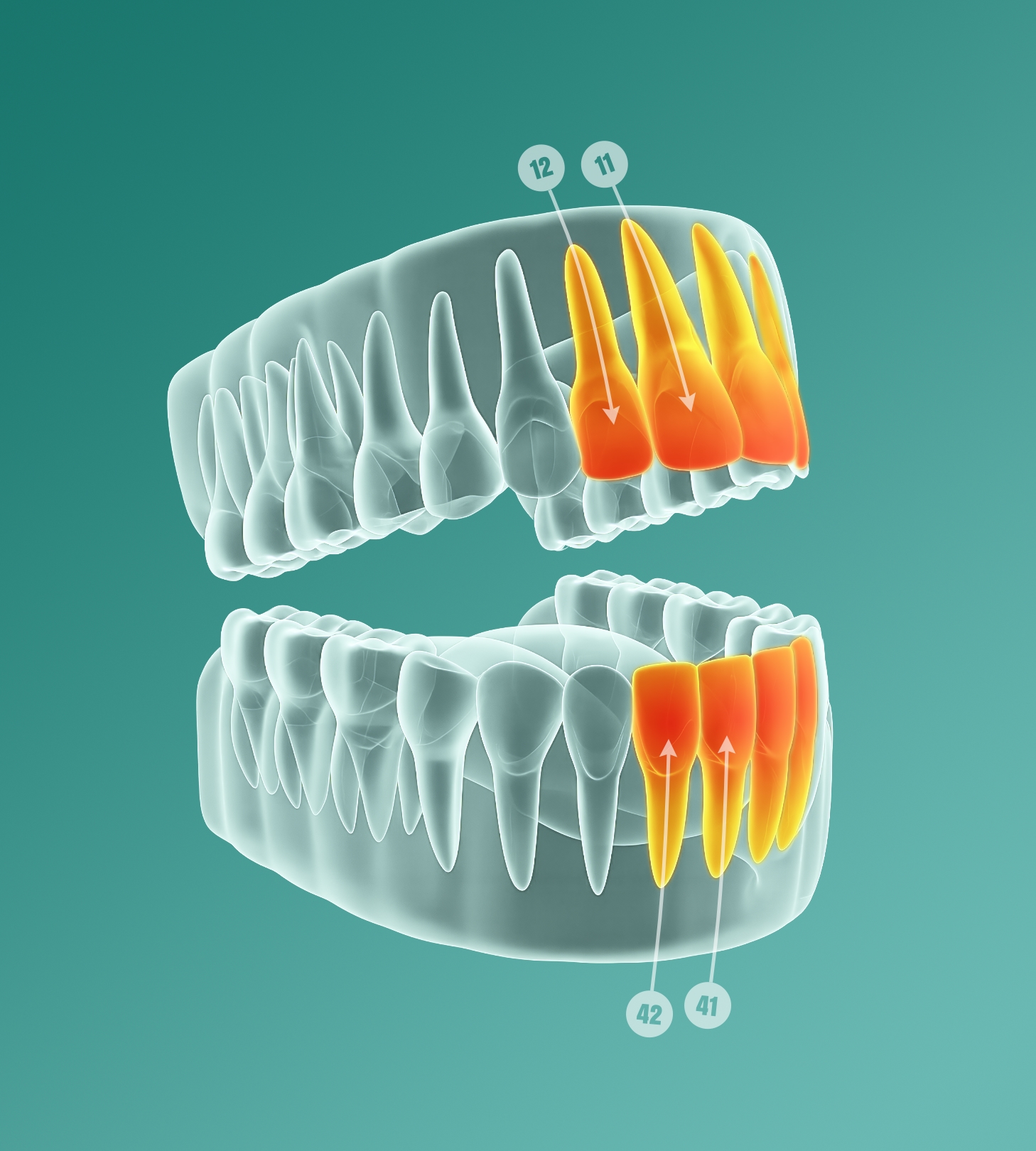
Tension or clenching in the jaw can radiate into the neck and shoulders. If you notice tightness, headaches, or nighttime grinding, a biological dentist can help identify bite imbalances that contribute to muscle strain.